In the canopy
Climbers and crew
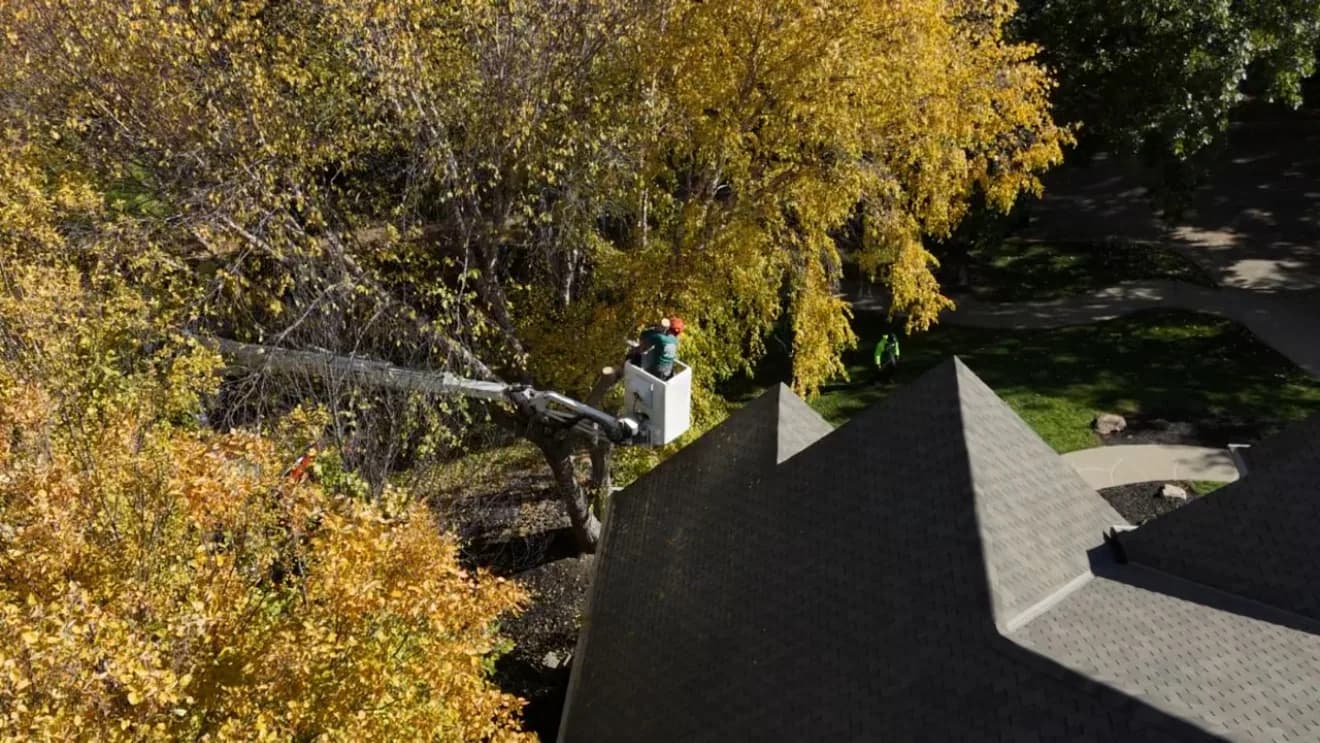
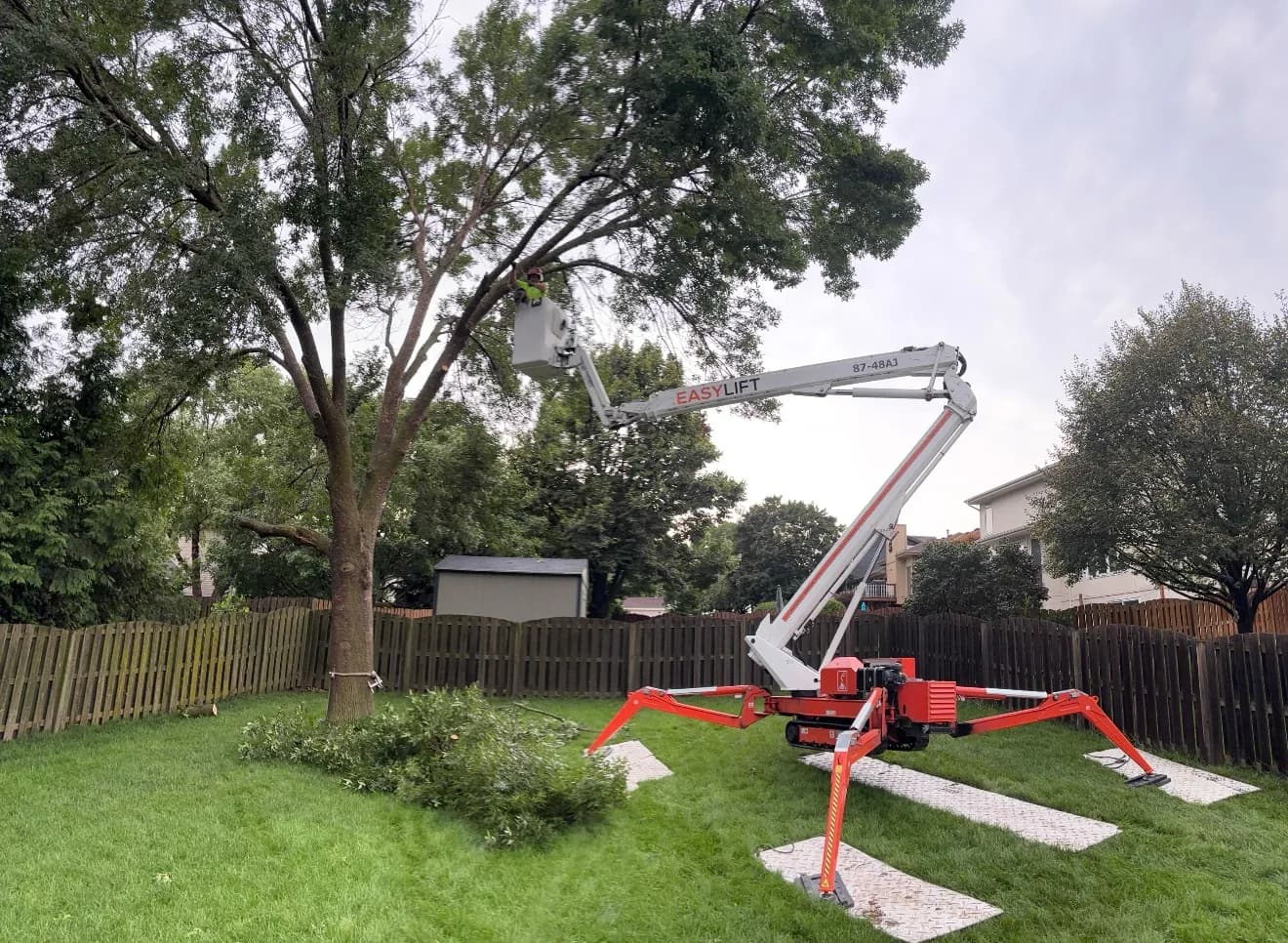
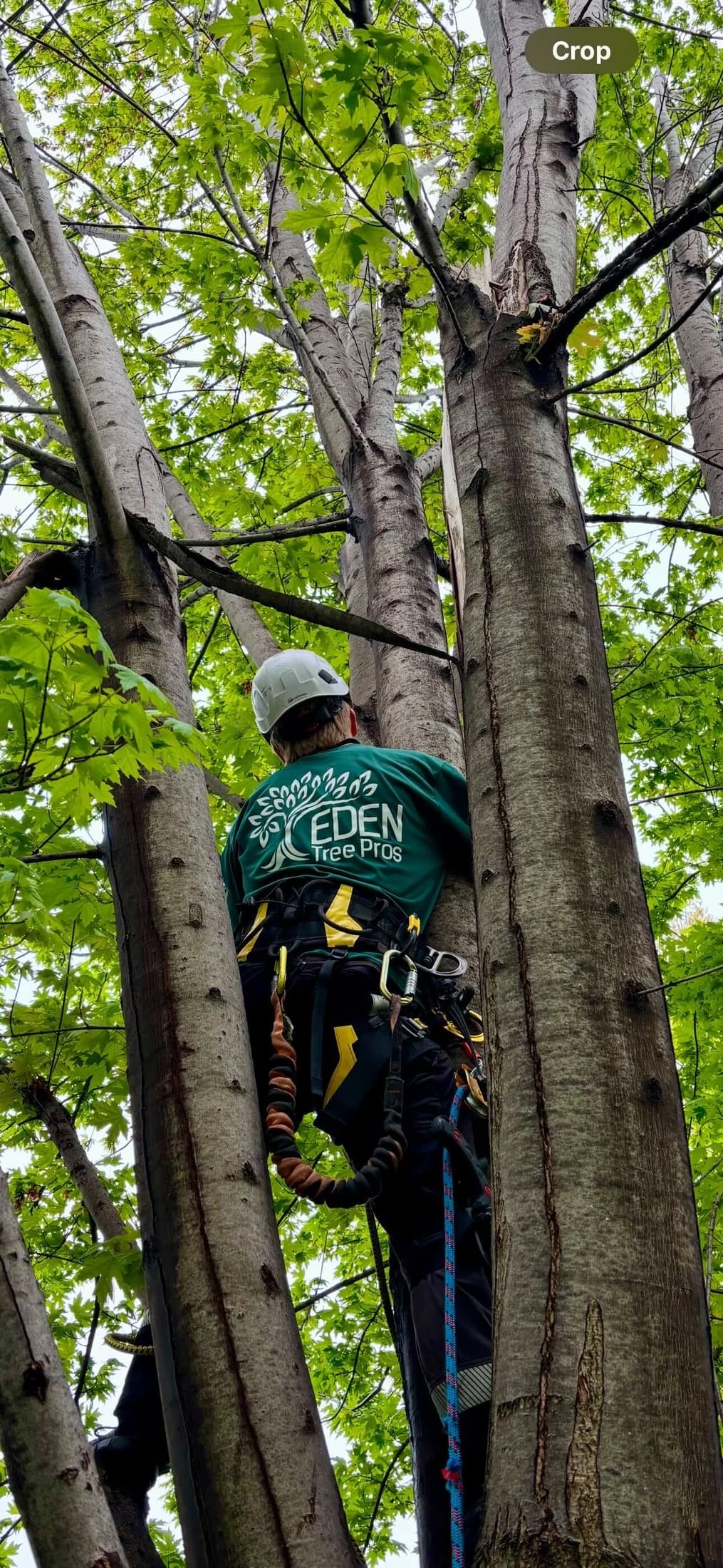
Rope-and-saddle production climbing to ANSI Z133, rigging removals, and pruning to A300 — the kind of cutting that takes years to learn and shows in every canopy you leave behind.
Climb, cut, treat and light trees for a family-owned Gretna company that pays for your certification and does not lay you off in December.
In the canopy
Rope-and-saddle production climbing to ANSI Z133, rigging removals, and pruning to A300 — the kind of cutting that takes years to learn and shows in every canopy you leave behind.
On the ground
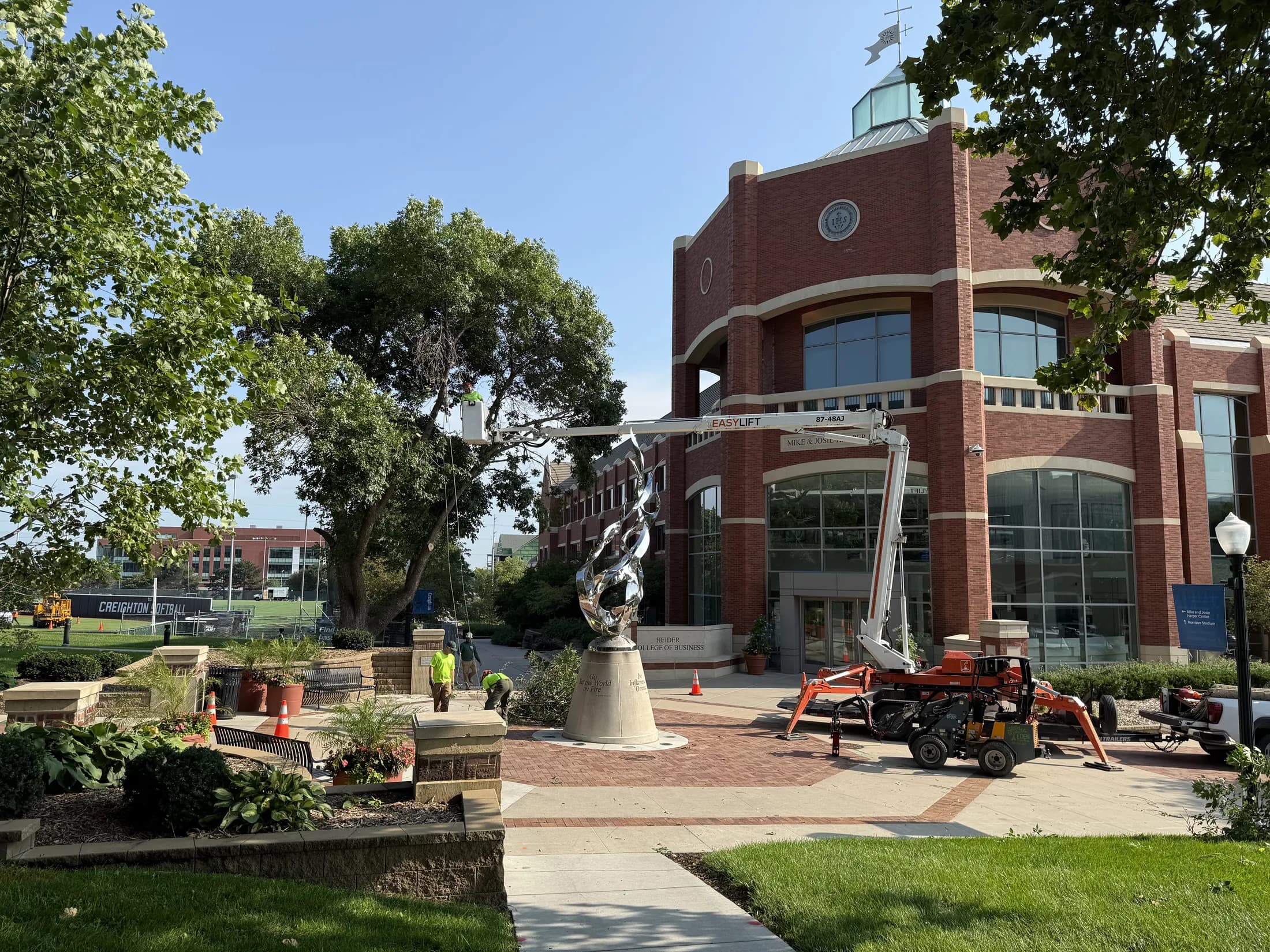
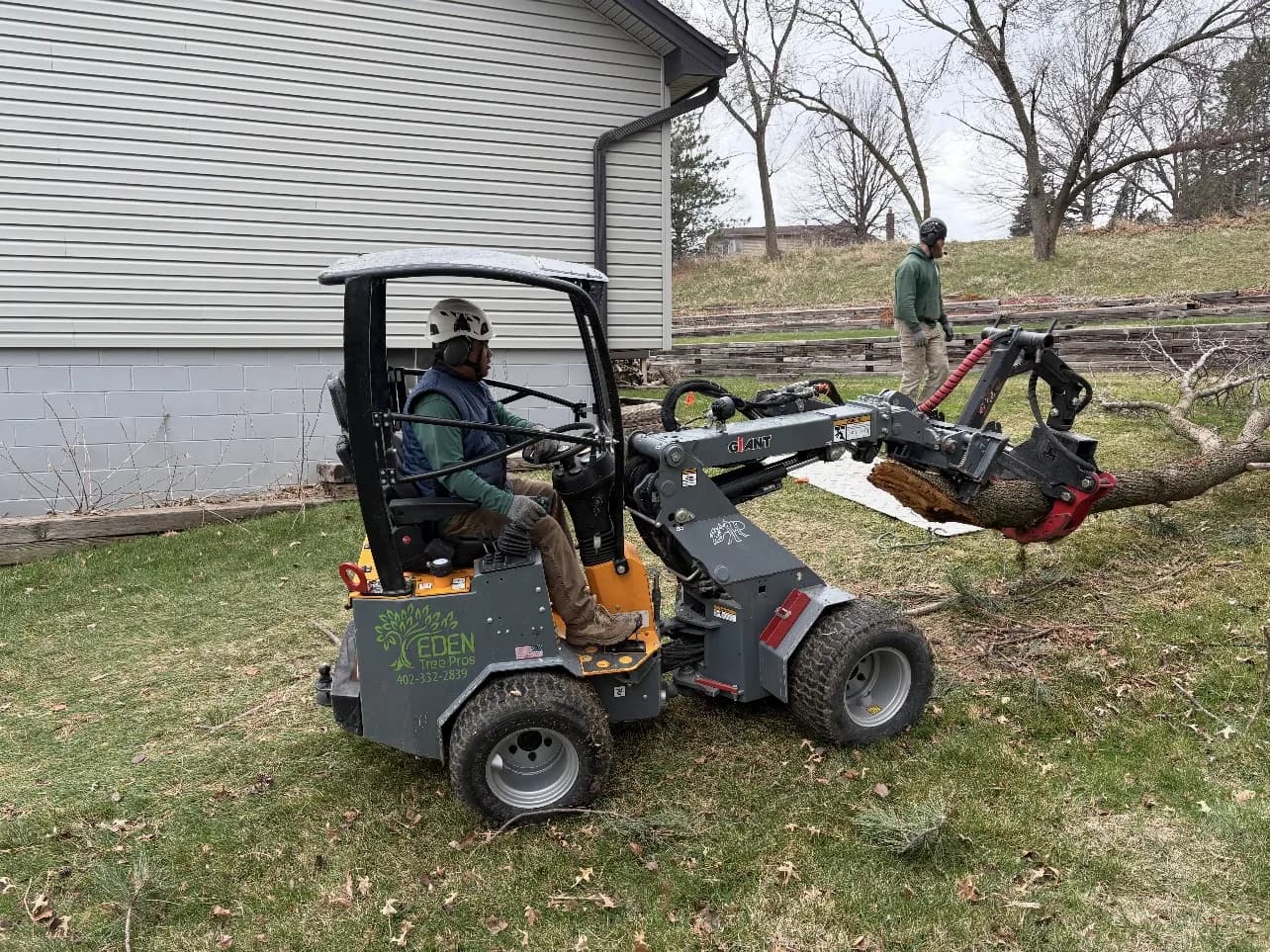
Rigging from below, feeding the chipper, running the site so the climber only has to think about the cut. Where everyone who ends up in the canopy starts.

In the science
Injections, diagnostics, lawn and pest applications under a Nebraska commercial license. The side of the trade that grows fastest here, in every sense.
No portal, no quiz. Call 402-332-2839 and tell us what you have done and what you want.
First season
Chipper, rigging from below, site setup and cleanup. You learn why the yard looks the way it does before you learn to be above it.
As you earn it
Climbing starts when the crew lead says so, not when a calendar does. Aerial rescue training comes before the first production climb.
When you want it
Professional arborist certification, studied on the clock, paid for by the company, and worth real money to you for the rest of your career — here or anywhere.
Proven
Your truck, your calls, your apprentices. Both current owners stood exactly here, which is the strongest thing we can say about the ladder.
“I came from a shop that laid everyone off at Thanksgiving. Hanging lights in December beats standing in an unemployment line, and I made crew lead in three years.”
Experienced climbers who can prune, not just remove
Ground crew who want the rope eventually — or genuinely don't, which is also a career
Pesticide applicators licensed in Nebraska, or ready to test
CDL drivers, or drivers willing to get one on our dime
Anyone in the trade tired of being laid off every December
Green but serious: strong, careful, on time, wants a trade
Spike-everything climbers — spikes are for removals here, full stop
Anyone who negotiates with the drop zone
Cowboys. The trade buries cowboys, and we like our people alive
Anyone who needs the truck to say something other than what happened
Experience that cannot pass a working interview in a real tree
Green but serious beats experienced but careless, every single time.
Year-round work
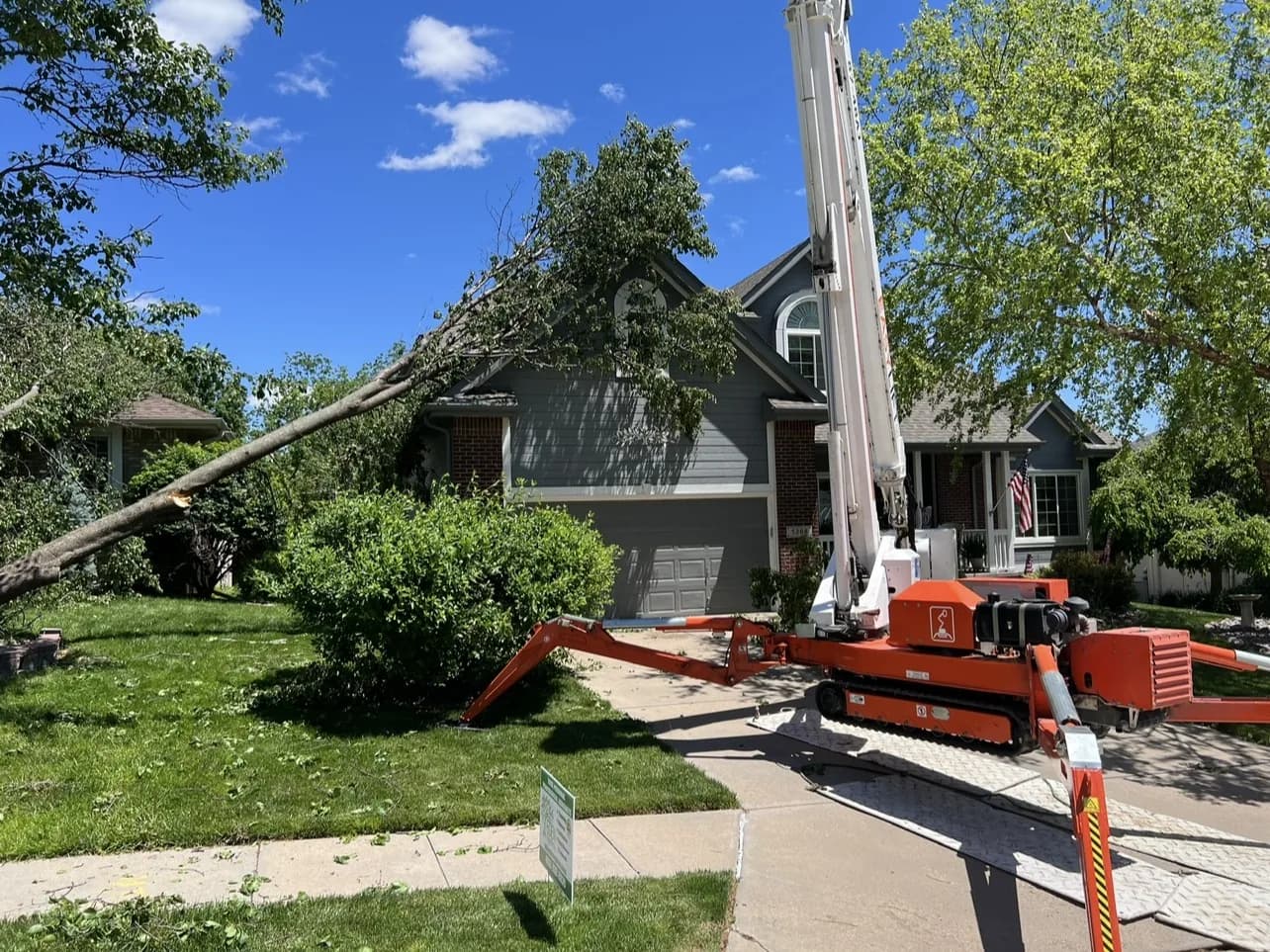
Trees in three seasons, holiday lighting in the fourth. The winter layoff that defines this trade elsewhere does not happen here, because the schedule was built so it would not.
Certification paid for, on the clock
Study time, exam fees and the continuing education to keep a professional arborist certification current. Two of the current owners came up through the crews; the ladder is real because people have climbed it.
Equipment that gets maintained
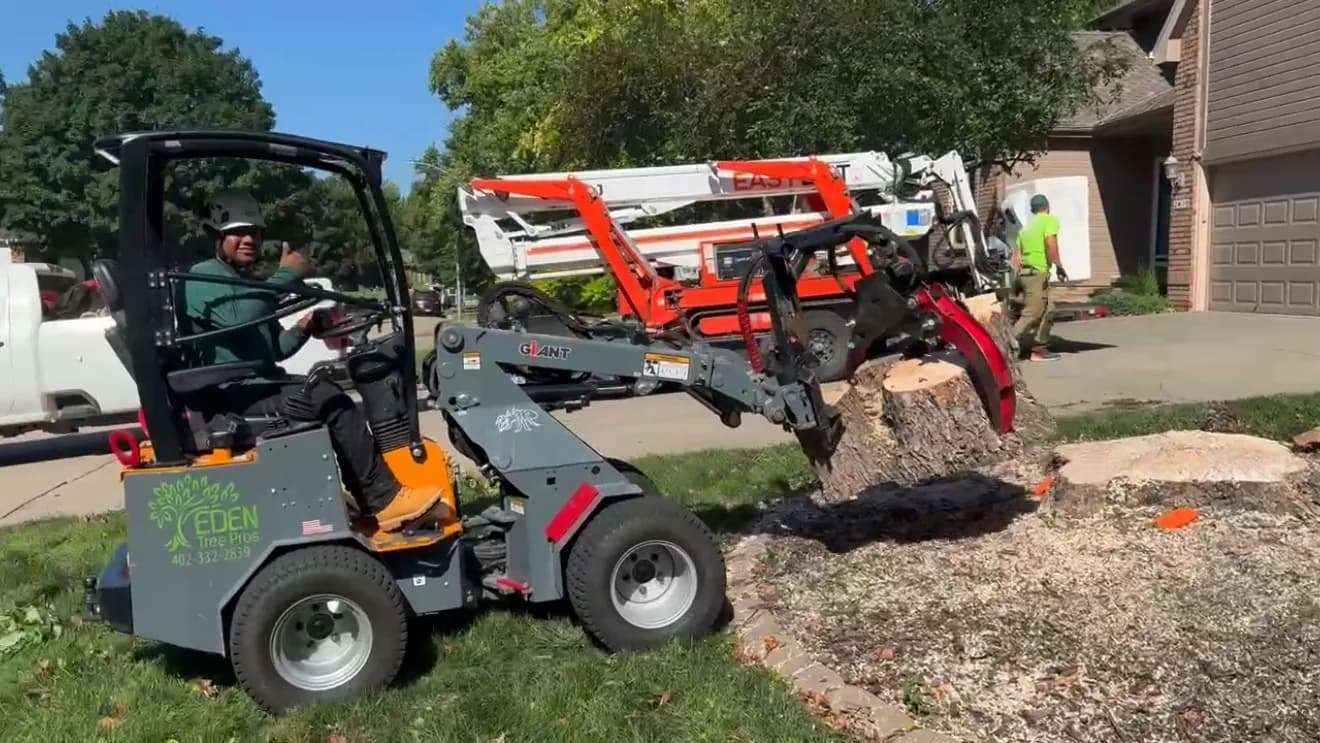
Saws that start, ropes that get retired on schedule, and a chipper nobody has to fight. Cheap gear is how this trade hurts people, so we do not buy it.
A safety culture with teeth
Z133 is not a poster in the shop. Drop zones get called, gear gets inspected, and anyone on the crew can stop a job — including the newest hire, especially the newest hire.
Small-company math
Family owned means the person deciding your raise has run your saw. It also means no HR maze: problems get solved in the yard, out loud, by name.
No. Ground crew is where this trade starts and we hire for careful, strong and reliable over résumé. What you need on day one is a work ethic and the sense to ask questions; the skills are the company's job to teach.
Yes, and it is the reason a lot of our people came here. Tree work runs three seasons, winter carries dormant pruning and removals over frozen ground, and holiday lighting fills the gap that lays crews off everywhere else.
Work the seasons that qualify you, study on the clock, exam paid by the company, and the credential is yours — it belongs to you, not to Eden, and it raises your value everywhere for the rest of your career. We pay for it anyway, because people who are worth keeping are worth investing in.
Early starts, honest days, home for dinner most nights. Storm weeks are the exception and everyone knows it — when the metro gets hit, the phones do not stop, and storm pay reflects storm work.
There is no portal and no personality quiz. Email or call 402-332-2839, tell us what you have done and what you want to do, and if it sounds like a fit the interview is a conversation at the shop and, for climbers, a working look at a real tree.
Rarely, and we say so up front when we do. The whole point of the year-round schedule is building crews that stay, because the trade's revolving door is where its accidents come from.
The interview is a conversation at the shop, and for climbers, a real tree.
Tree work has a labor problem it built for itself. The typical shop hires in April, runs people six days a week through the storm season, and lays them off the week the leaves drop. Every spring it starts over with whoever answers the ad, and every spring the crews are green again. That churn is where this trade's injuries live, and its reputation.
Eden was set up to be the other kind of shop, and the holiday lighting line exists partly for exactly this reason: it keeps the crews employed and together through the months that empty every other yard in the metro. People who work together for years stop having the accidents that strangers have, and they do work that strangers cannot.
The other thing worth saying plainly: the ladder here is not theoretical. The company is owned by a man who grew up in it and an arborist who was on these crews three years before his name went on the paperwork. If you want a season of labor, there are easier yards. If you want a trade — 402-332-2839, ask for a conversation.