

Emerald Ash Borer Treatment in Omaha
Trunk injection on a two-year cycle, and a straight answer on whether your ash is still worth treating. Plenty of them are. Some of them are not.
Free Ash Assessment


How much canopy is left decides everything
The longer answerCanopy already lost
Under 30%
Treat it, and expect it to hold
A canopy this full has enough live tissue to move the product where it needs to go. Injection at this stage is one of the most reliable treatments in arboriculture.
30% to 50%
The honest maybe
Treatable, but the tree will look thin for years and it may not recover fully. Worth it on a specimen tree in a spot you cannot replace. Not worth it on a fence-line ash.
Over 50%
Plan the removal instead
The vascular system is too compromised to carry treatment through the crown. Money spent here buys time, not recovery, and dead ash gets brittle fast.
Assessed on site and free. A photo from the ground gets you most of the way there.
Send a photo of the whole tree from across the street. That is the shot that shows canopy loss.
Injected into the trunk, not sprayed on the tree
Plant health care
Injected at the root flare
Small ports set low in the trunk, into the sapwood. That is the tissue that moves water, and therefore the product, up the tree.
It travels up, not around
The tree distributes it into the canopy over a few weeks. Nothing is sprayed, so nothing drifts onto anything you did not intend.
The ports close over
Small wounds a healthy ash seals within a season. This is why injection needs a tree with enough live tissue left to do the sealing.
Two years, then again
A treatment cycle rather than a cure. Emerald ash borer does not leave the metro, so a treated ash is treated for life.
Treatment is timed for spring. Getting on the schedule now is how it happens at the right moment.
What Omaha homeowners say about the ash work
“Two ash out front, both treated four years ago, both still full. The neighbors who did nothing have both lost theirs.”
“They told us the back one was too far gone rather than taking our money for it. Treated the front one instead.”
across 313+ Google reviews
Common questions about emerald ash borer
Ask us something elseIs my ash tree worth treating?
Canopy loss decides it, and the threshold is about thirty percent. Below that, treatment is highly reliable and an injected ash generally holds its canopy indefinitely. Between thirty and fifty percent it becomes a judgment call about the individual tree and where it stands. Over half the canopy gone, the honest answer is to plan the removal, because the tree can no longer carry the product to where the damage is.
How much does it cost compared to removing the tree?
Treatment is dramatically cheaper per visit, and it recurs every two years for the life of the tree. Removal is one large cost, plus the stump, plus a replacement, plus decades before the replacement does the job the ash was doing. On a mature, healthy ash in a spot that matters, treatment usually wins on cost for a very long time. On a small or poorly placed ash, removing it and planting something else is often the better buy — and we will say so.
What is emerald ash borer and is it in Omaha?
A metallic green beetle whose larvae feed in the layer just under the bark, cutting the tree's plumbing. It is established across the Omaha metro and it does not pass through — it stays. Untreated ash in this area dies, and the question is not whether but when.
What are the signs my ash is infested?
Thinning starting at the top of the canopy and working down. Sprouts pushing out of the trunk lower down, which is the tree trying to grow around the damage. D-shaped exit holes about an eighth of an inch across. Woodpecker damage stripping bark in patches, which is often the first thing people actually notice. Splitting bark with S-shaped galleries underneath.
How often does treatment need repeating?
Every two years with trunk injection, timed for spring when the tree is actively moving water. Skip a cycle and the protection lapses; the beetles are still there whether or not the treatment is. We schedule it so nobody has to remember.
Can I treat it myself with something from the store?
There are soil drenches sold for it, and on a small tree, applied correctly and consistently, they can help. On a mature shade tree they are unreliable, because getting enough product up a large trunk through the roots is exactly what they are worst at. If the tree is big enough to matter, injection is the treatment that actually works.
One ash or a whole row, the assessment is free and the answer is honest either way.
Whichever way the decision goes
All services
Should I treat or remove my ash?
The longer answer, with the numbers, for people weighing one specific tree.
Tree Removal
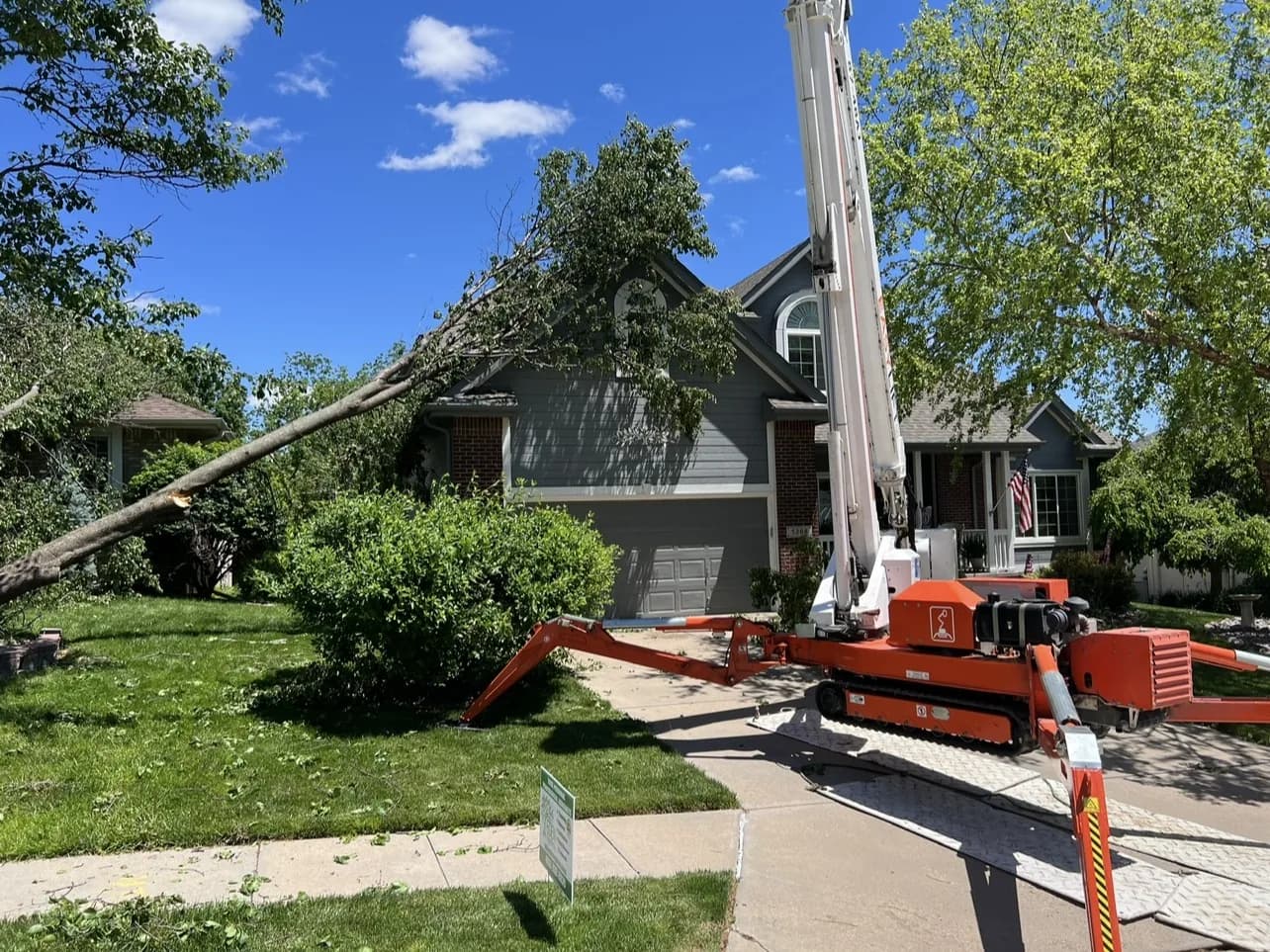
When the canopy is too far gone. Dead ash gets brittle faster than most species.
Tree Planting
What to put back, and why it will not be another ash.