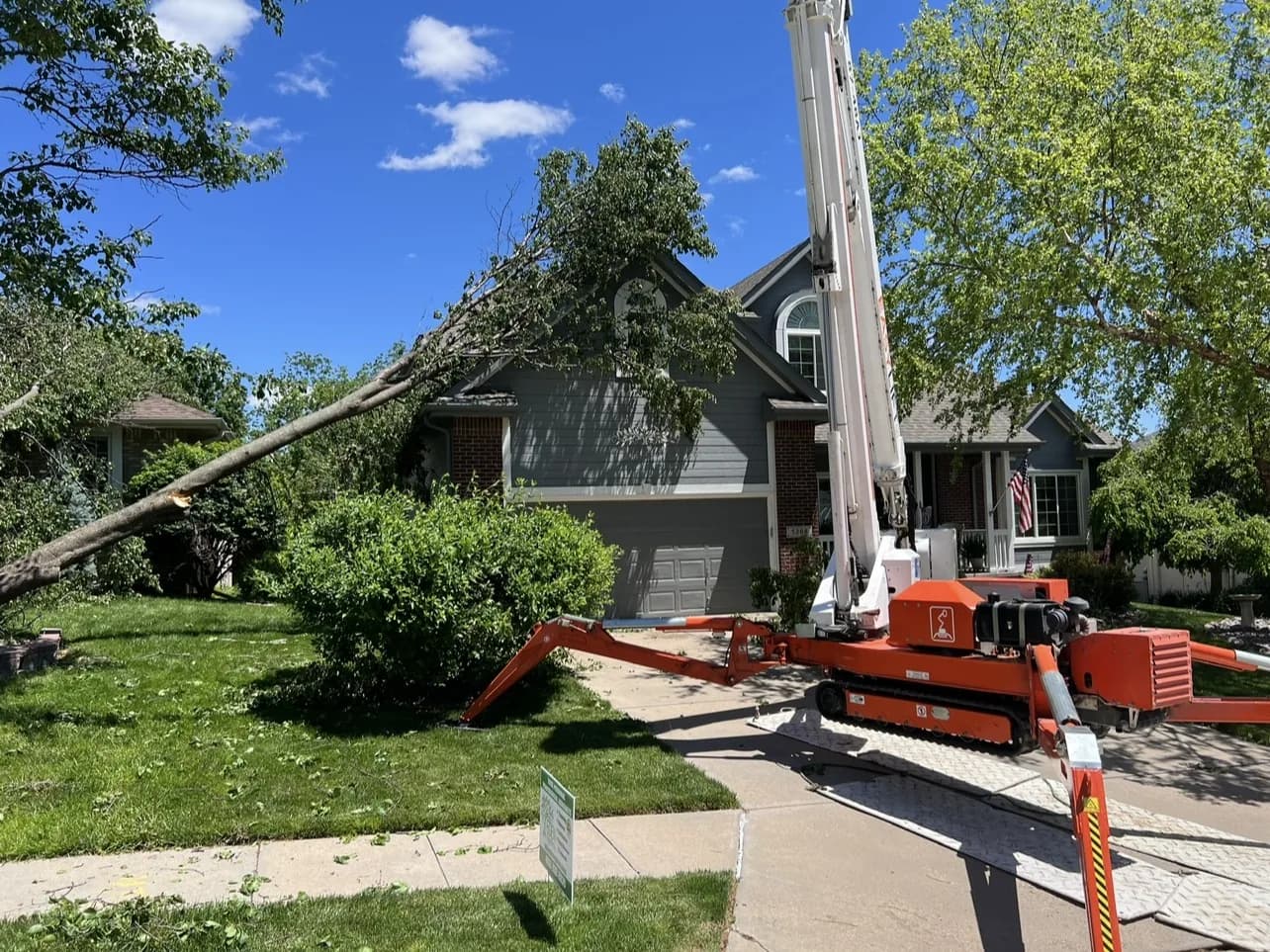
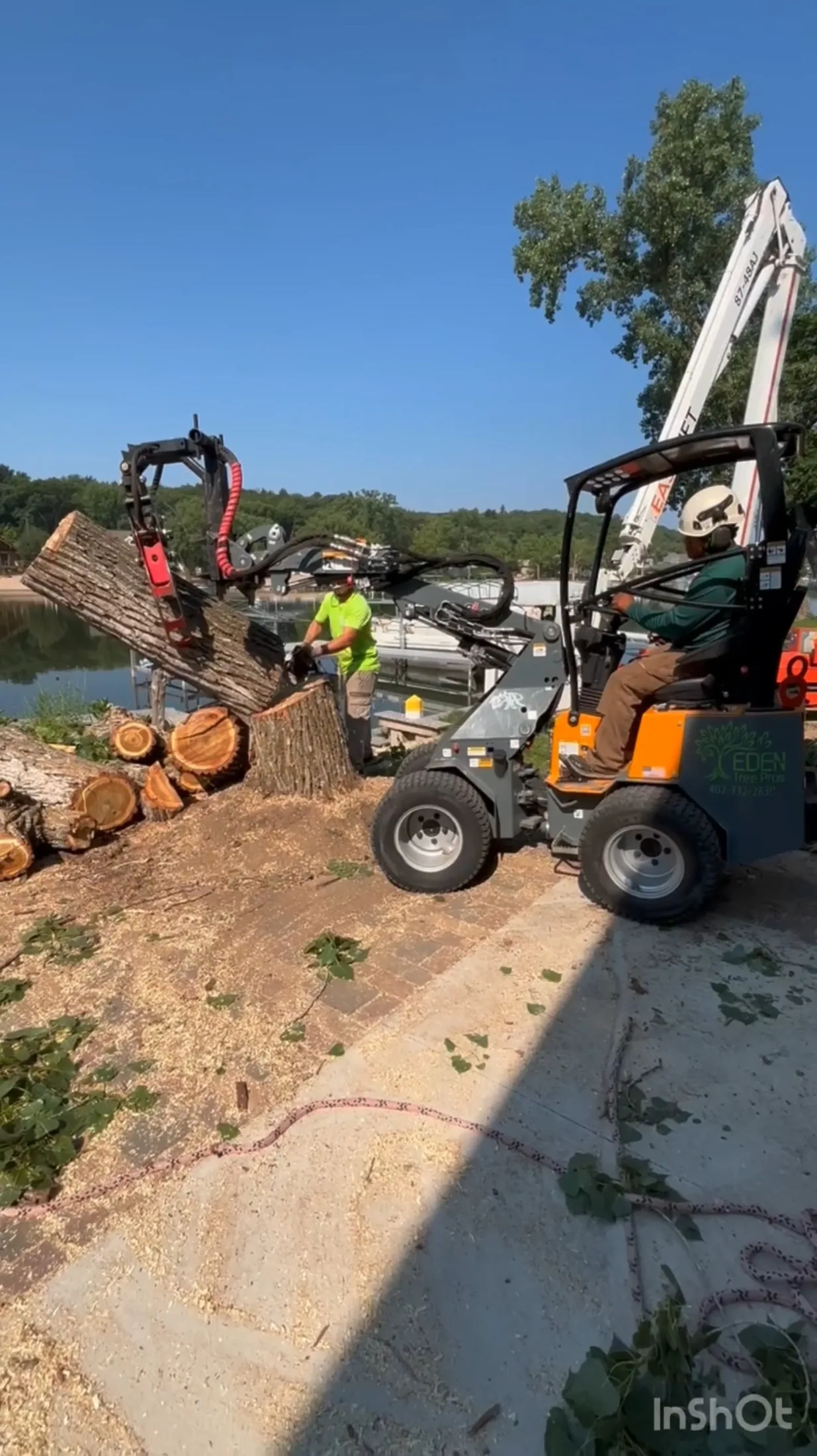
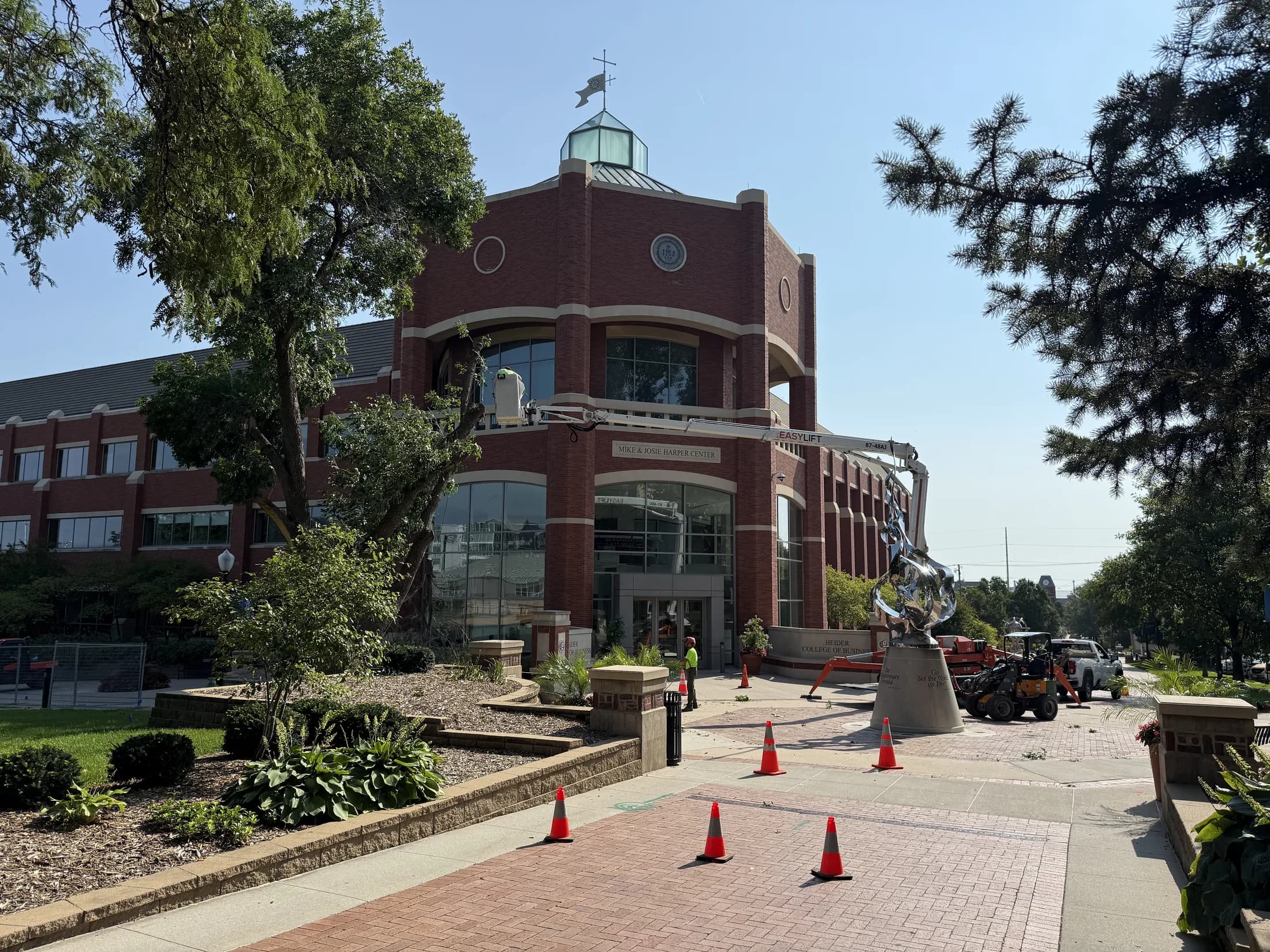
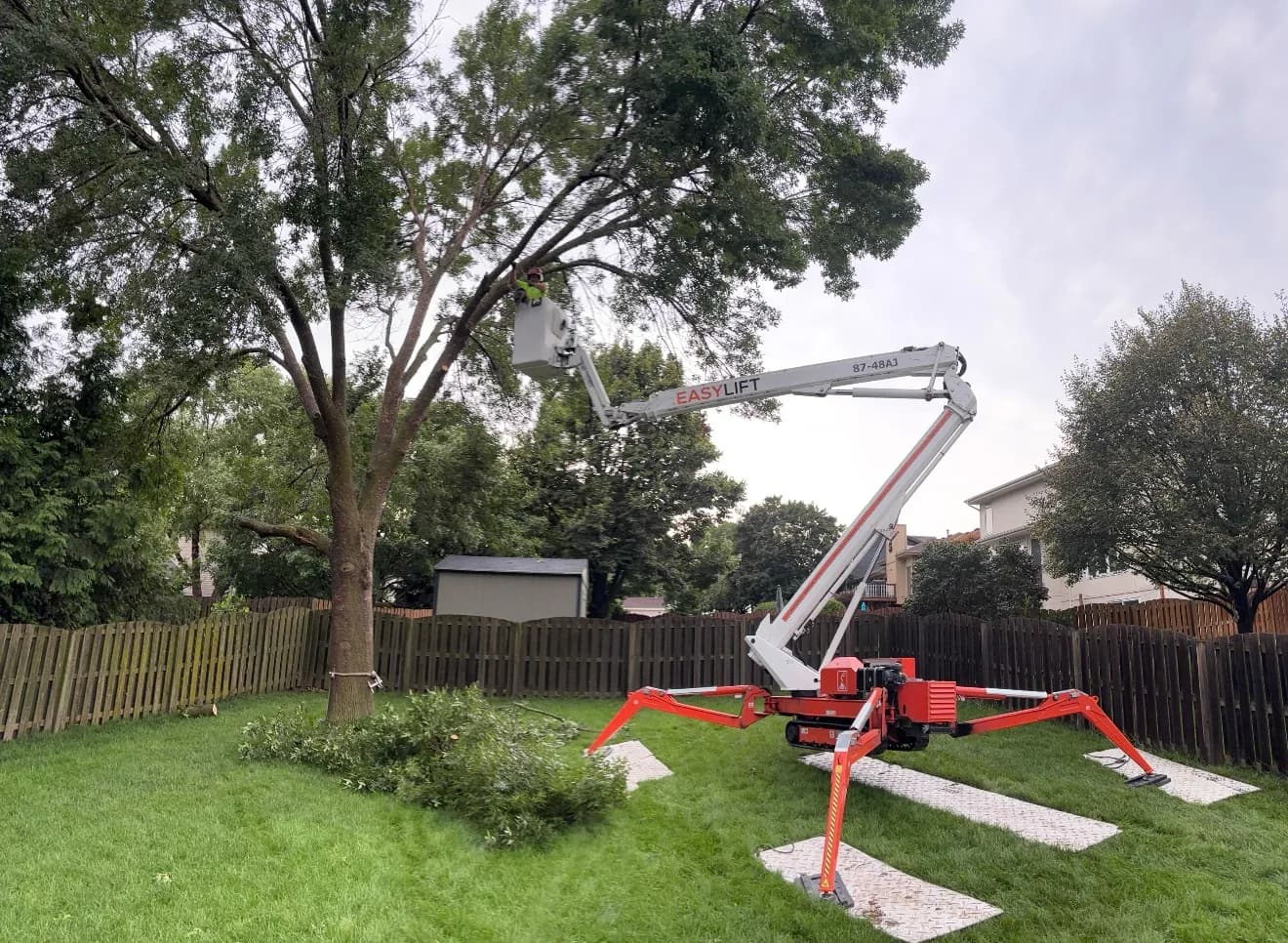
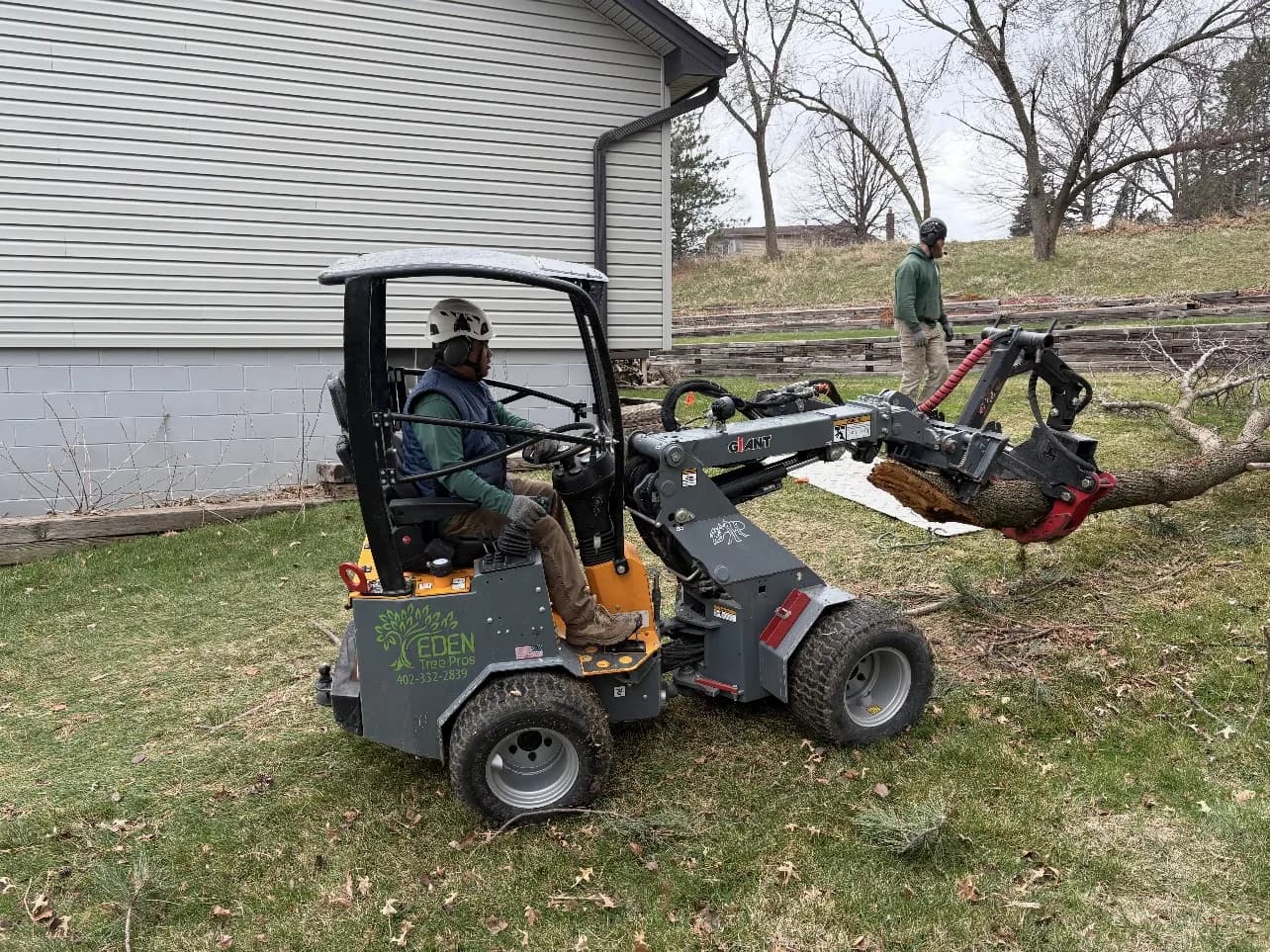
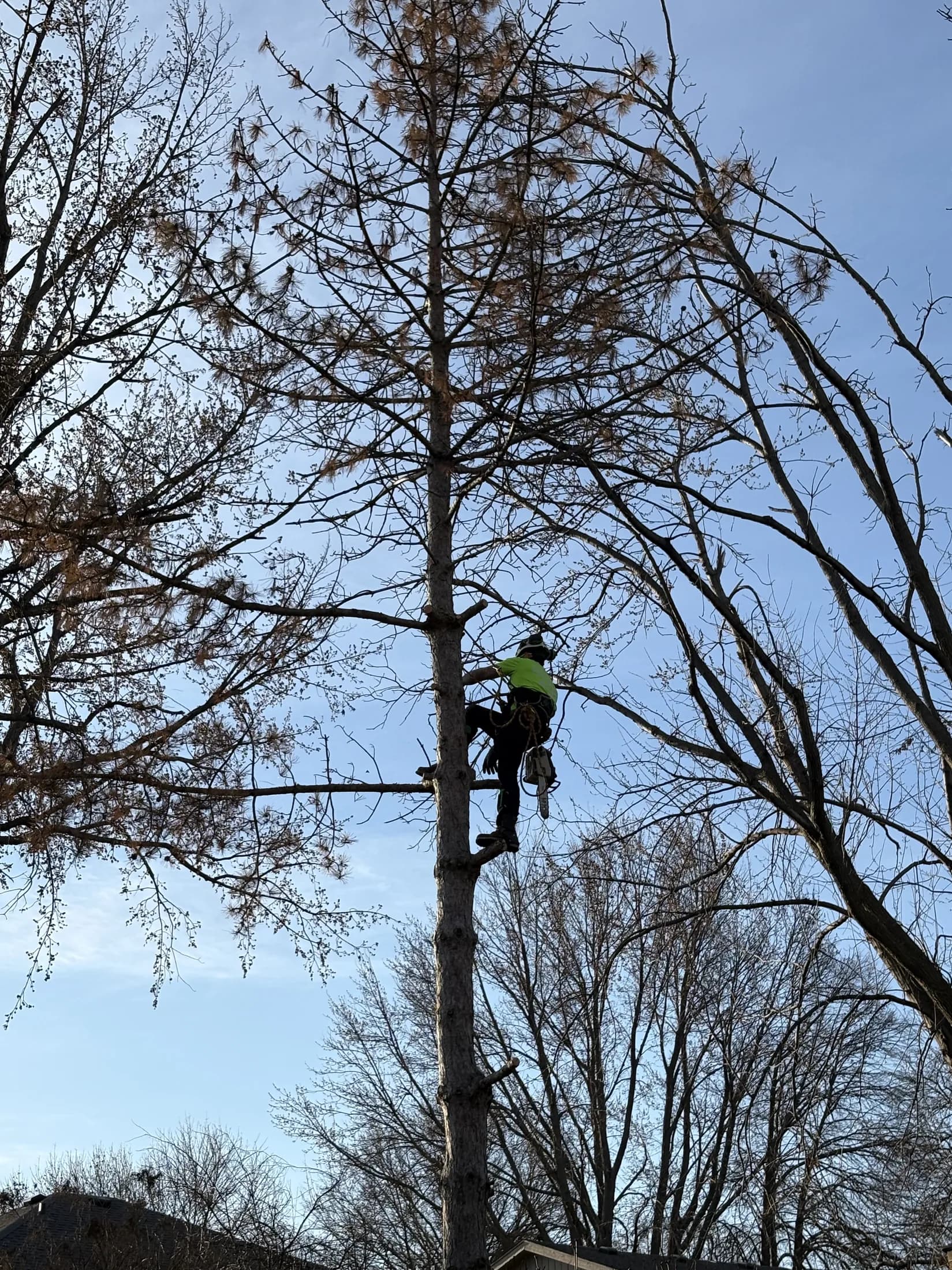
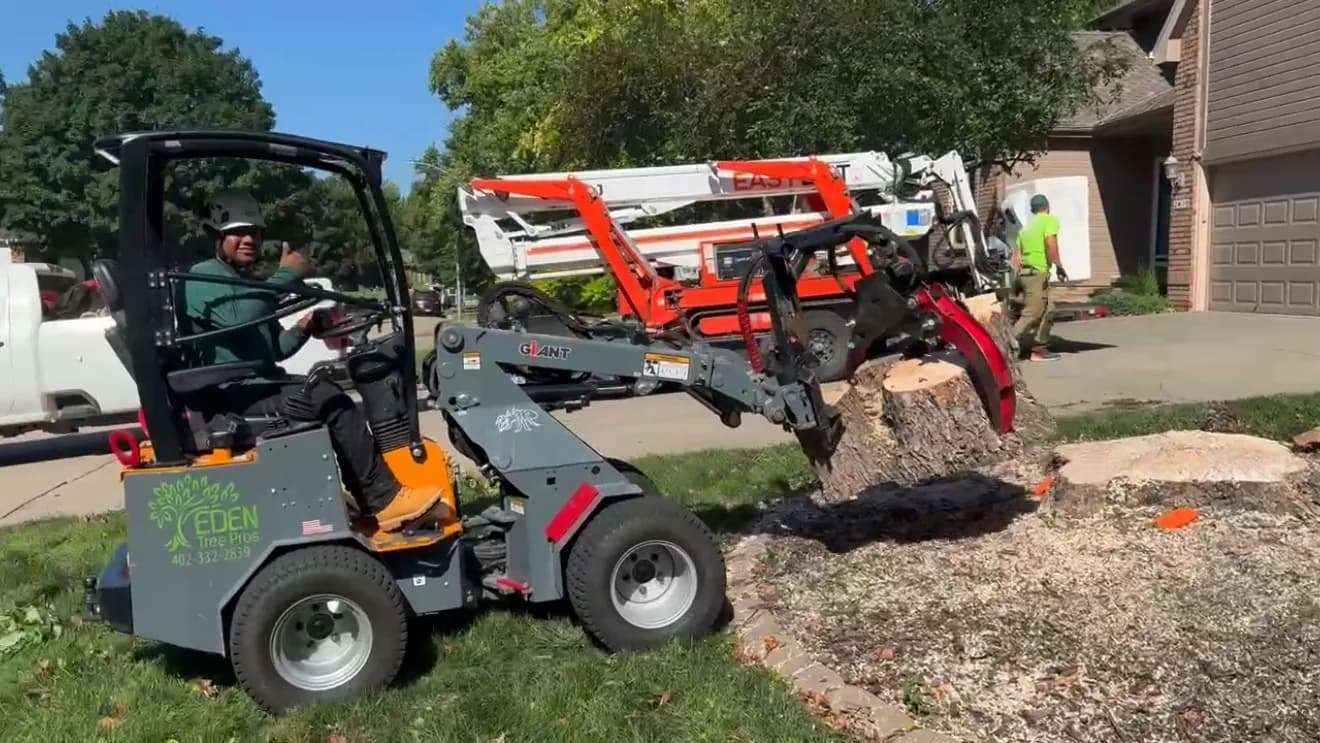
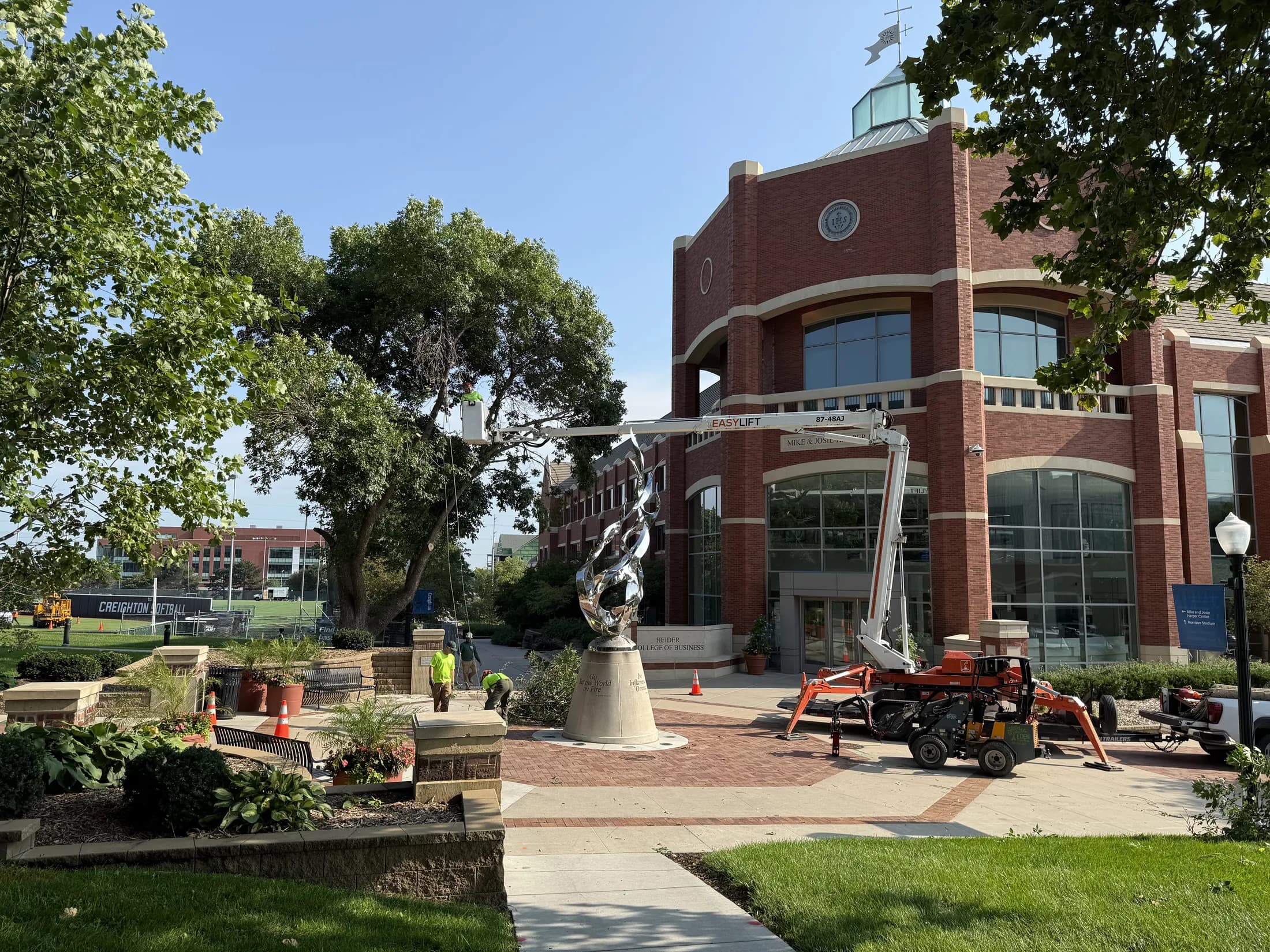
Storms compress a year of tree failure into one night, and the aftermath sorts into two lists. The short list is genuinely urgent: hangers over places people walk, limbs on structures, split unions that will finish failing in the next wind. The long list is everything else — the cleanup that offends the eye but threatens nothing.
The short list gets emergency treatment: the phone answered any hour, the queue jumped, the nearest crew. The long list gets scheduled at normal prices, because that is what it is. Plenty of storm operators quote the whole yard at emergency rates while the adrenaline is up. We separate the lists on the first visit and tell you which is which — it usually makes the invoice smaller, and the urgent work happens faster because crews are not burning storm days raking lawns.
The other thing we hold the line on is paperwork. Photographs before cuts, a written scope after, every time a claim might be involved. Adjusters work from evidence, and the evidence is the damage as the storm left it — not a stack of firewood and a description. Five minutes with a camera before the saw starts has settled more claim disputes than any phone call we have ever made.