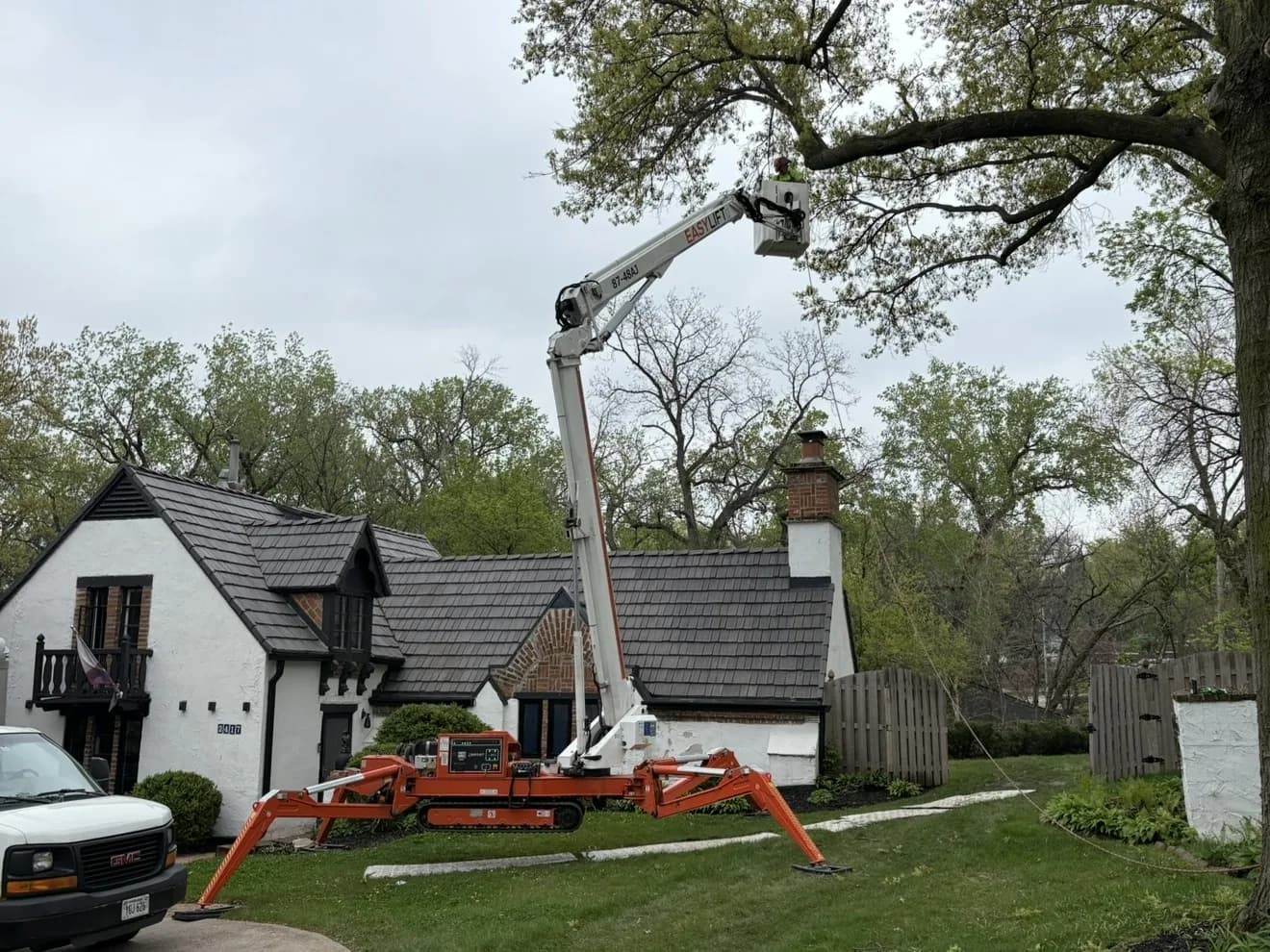
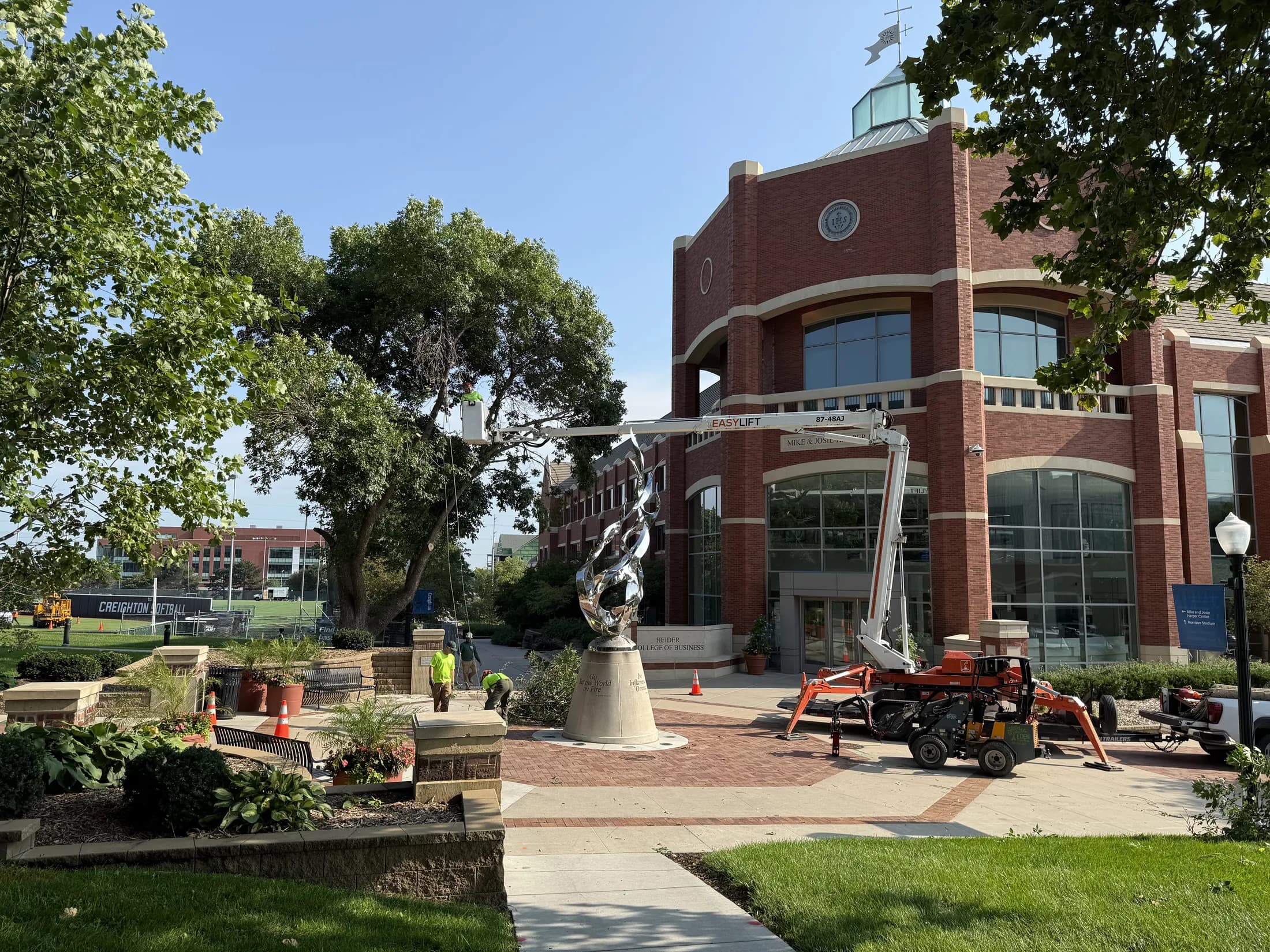
The trees at Boys Town were planted by people thinking past their own lifetimes, and the grounds those trees shade are a National Historic Landmark district with a working community inside it. Tree care in a place like that is not about maximizing billable work; it is about knowing which interventions genuinely extend a tree's safe, useful life and which just generate invoices. The distinction is the whole job.
Our approach on institutional grounds is assessment first. An arborist evaluates the trees in question, puts findings and recommendations in writing, and scopes exactly the work that is warranted — pruning here, treatment there, structural support where it earns its cost, and removal only when a tree's risk genuinely outweighs everything it contributes. That paper trail is not bureaucracy; it is how good decisions about a shared landscape get made and remembered.
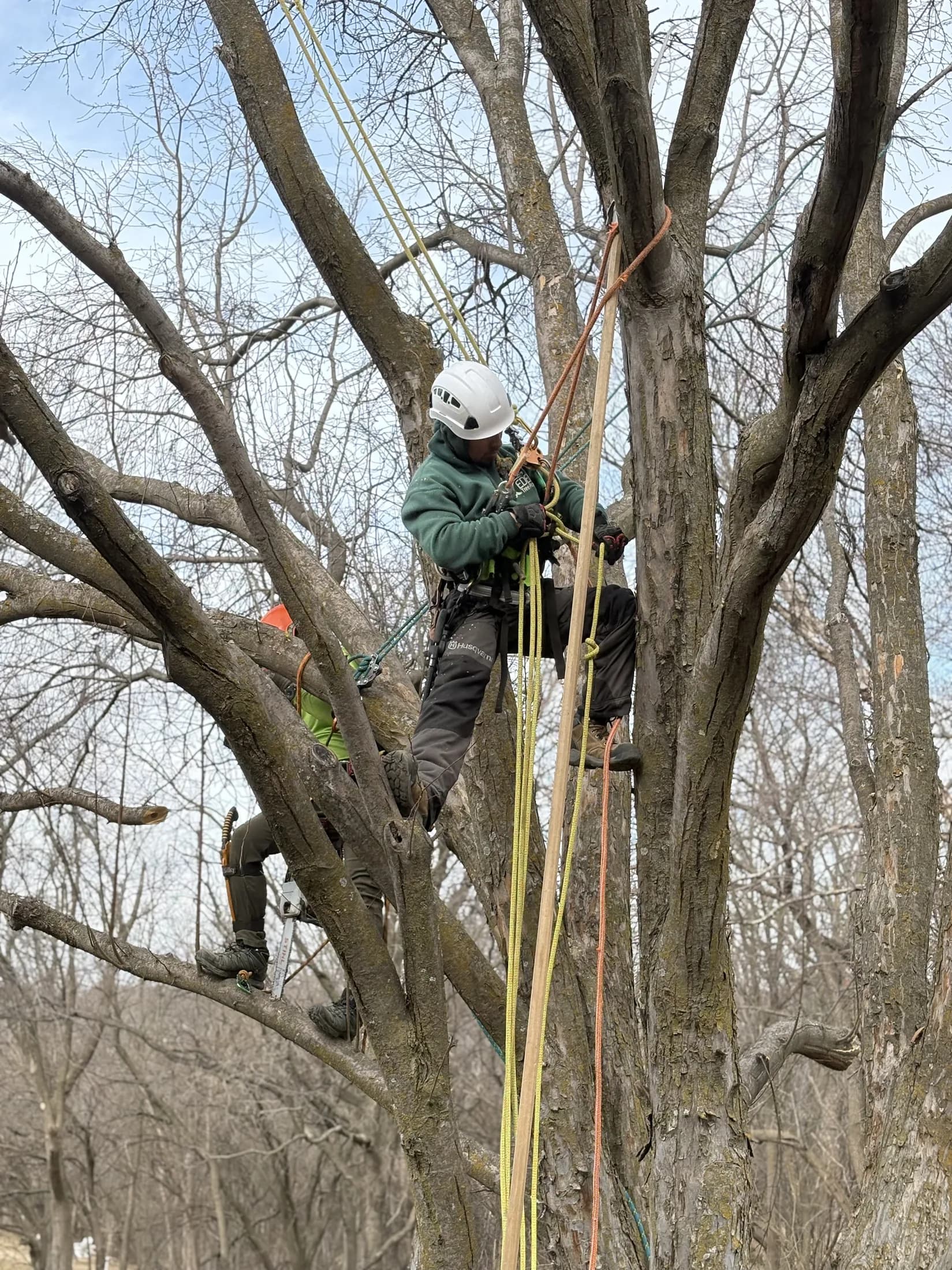
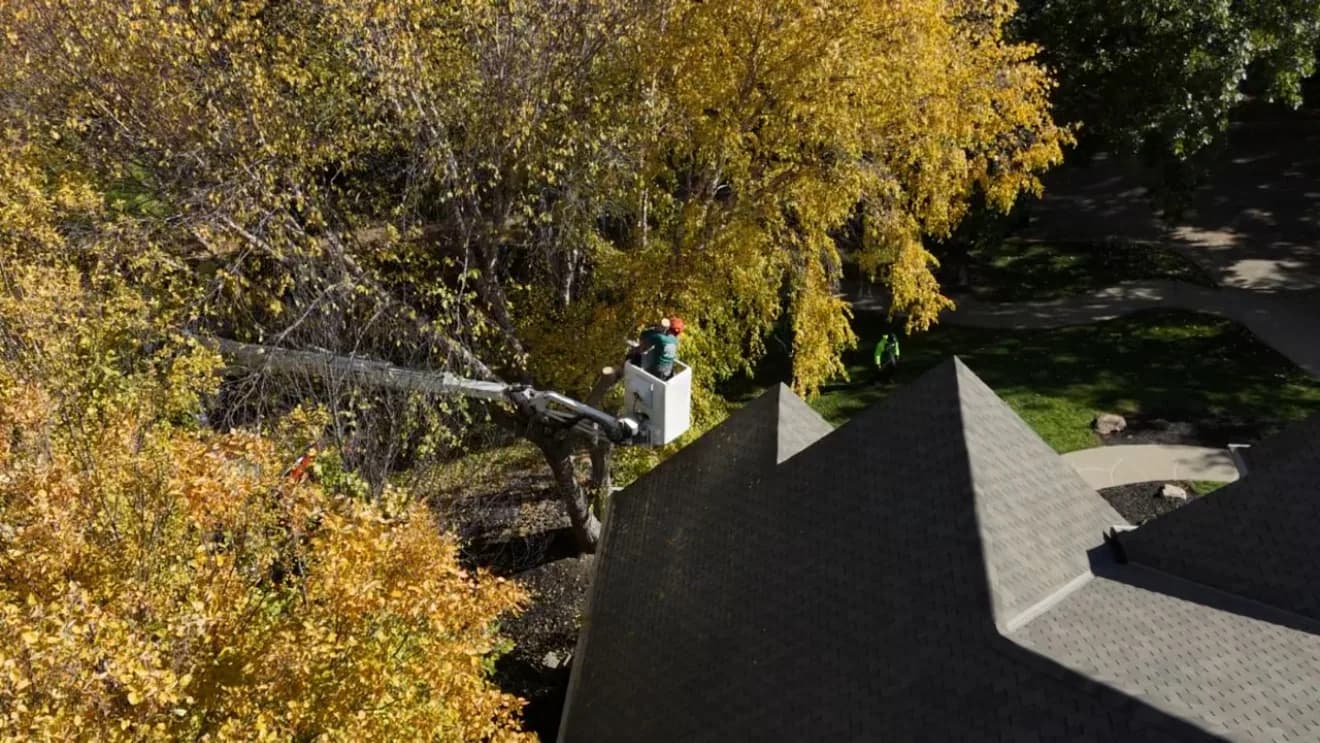
We bring the same crews, the same standard and the same honesty to a campus allée that we bring to a Gretna backyard — plus the patience formal grounds require. Estimates are free and written, and consultations are where work like this should always start.