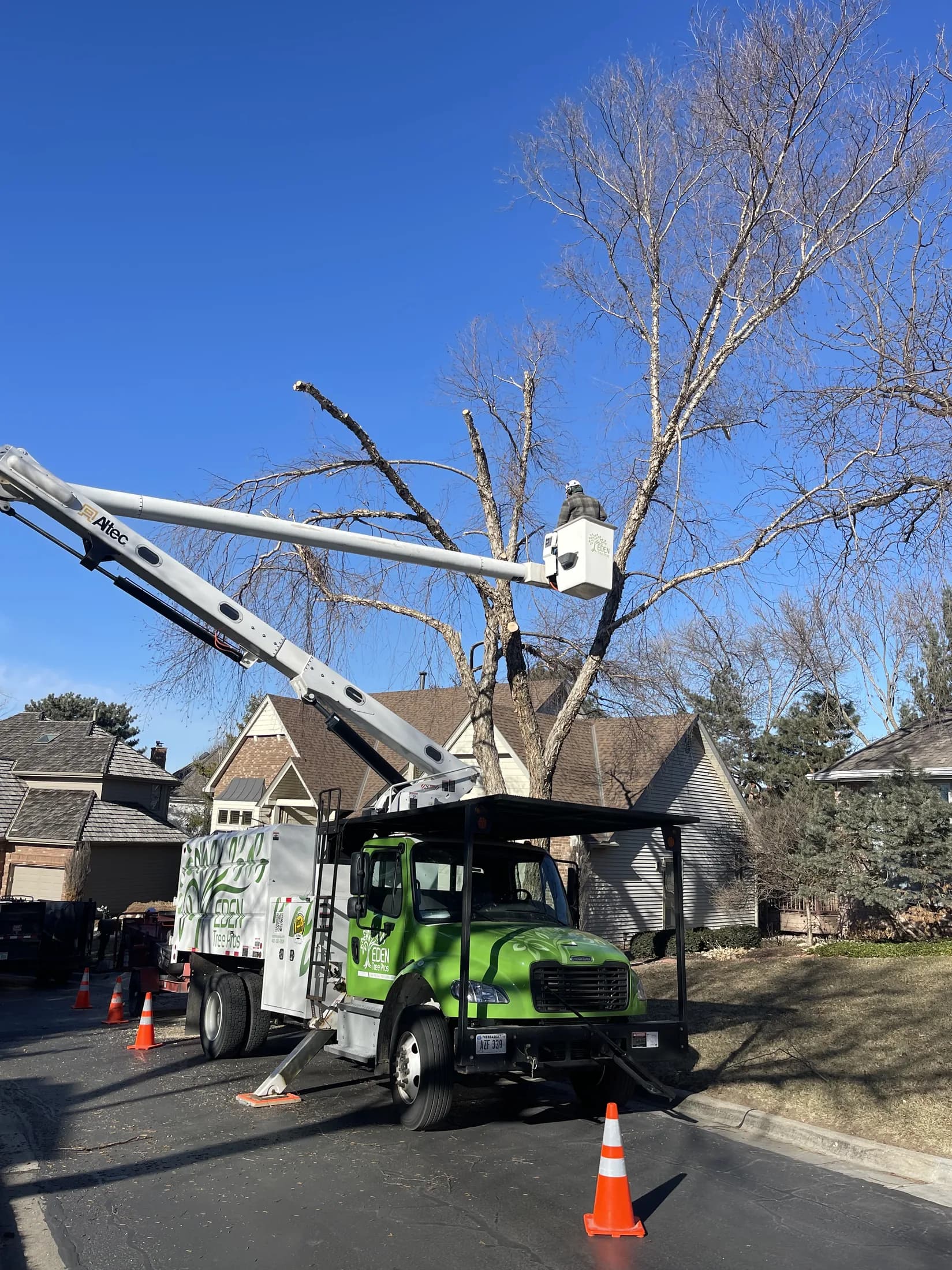
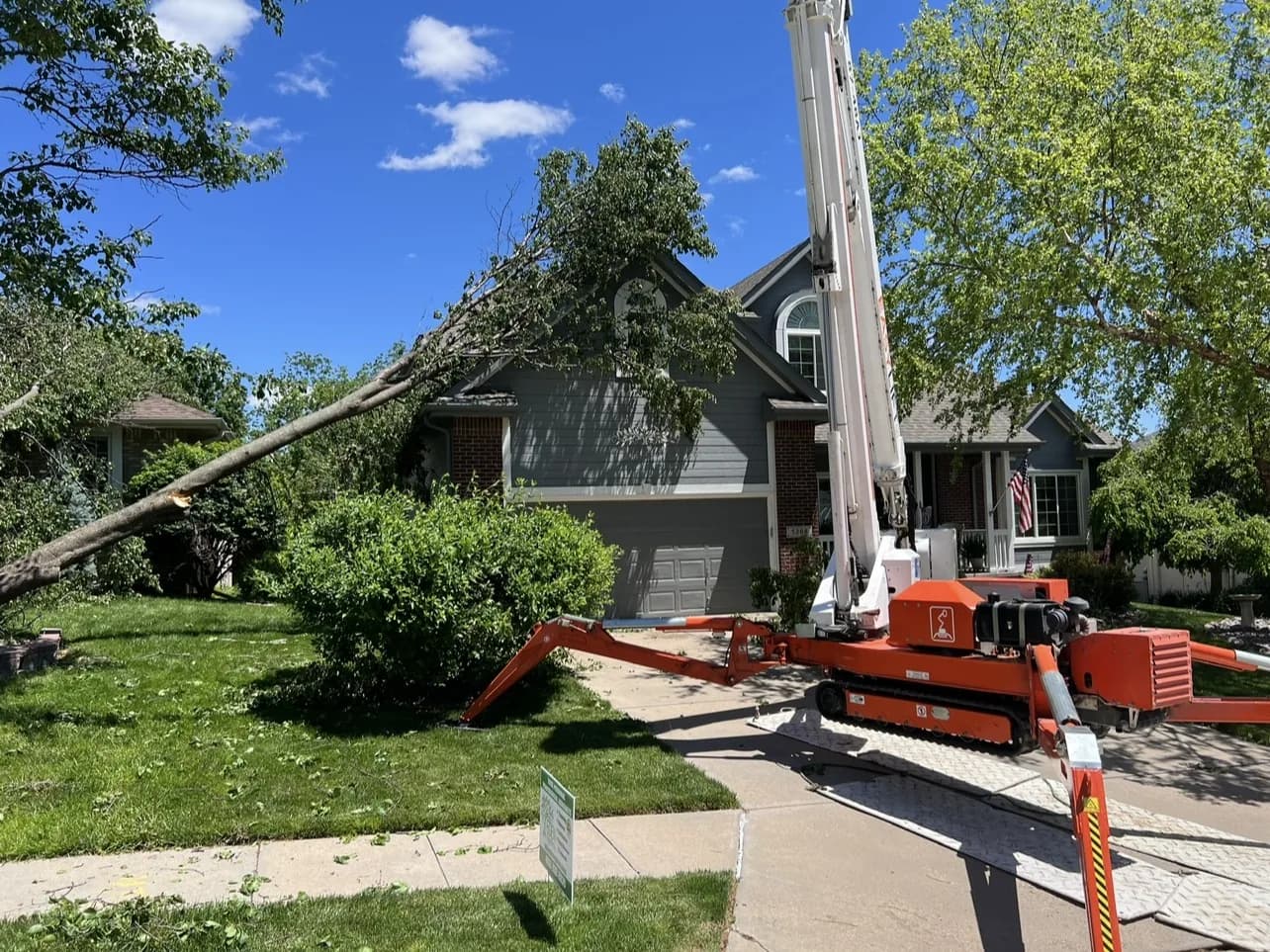
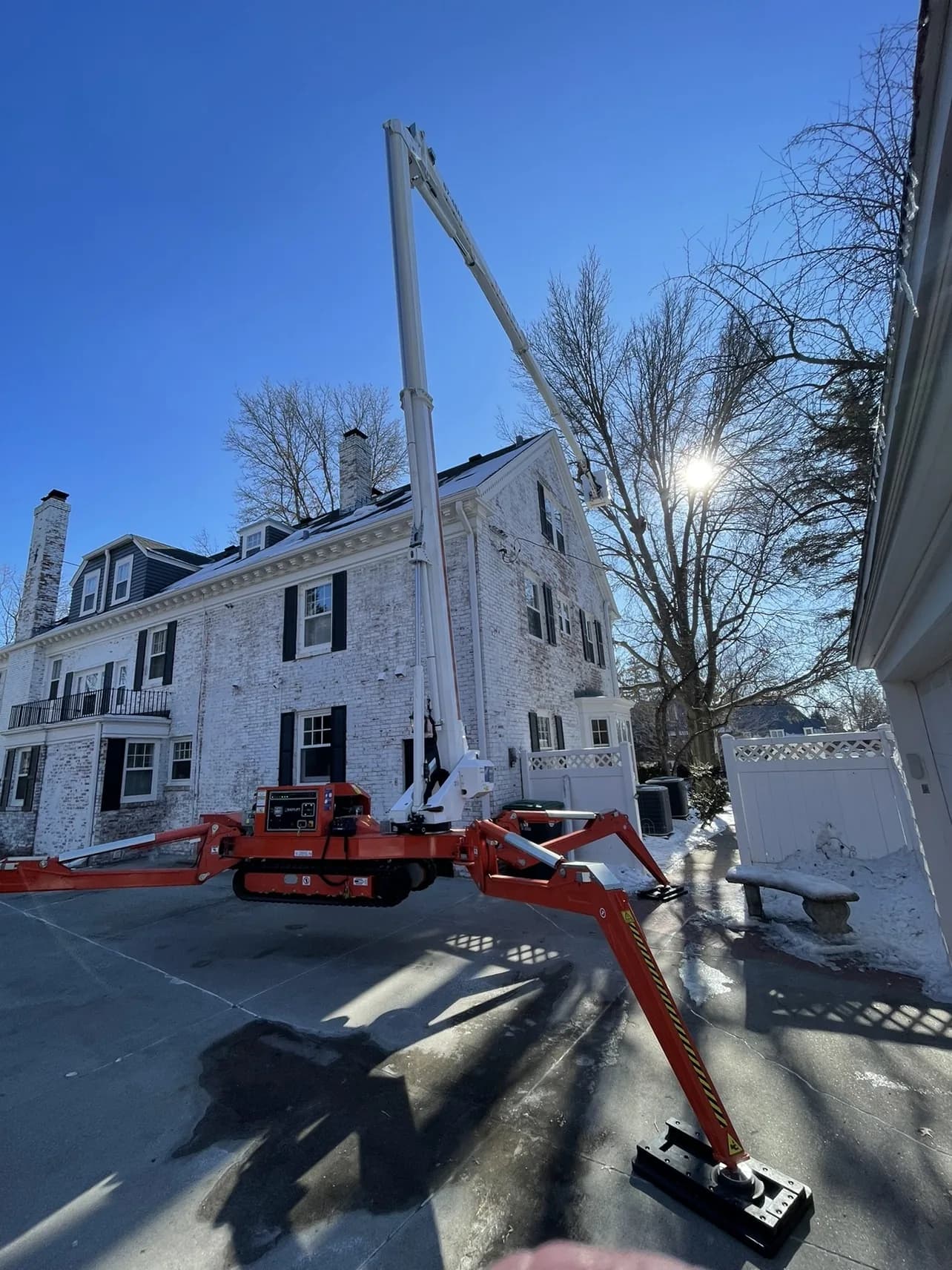
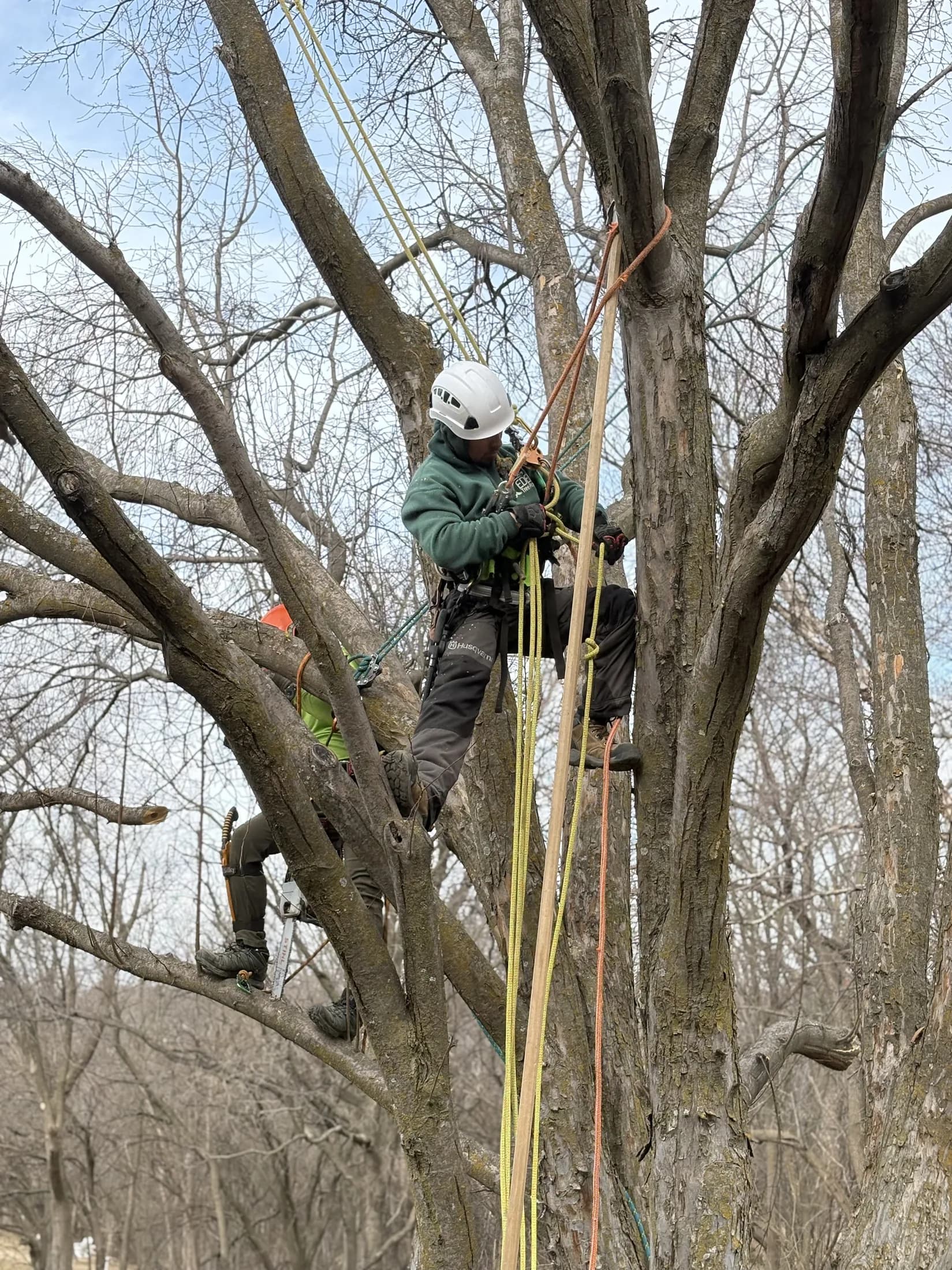
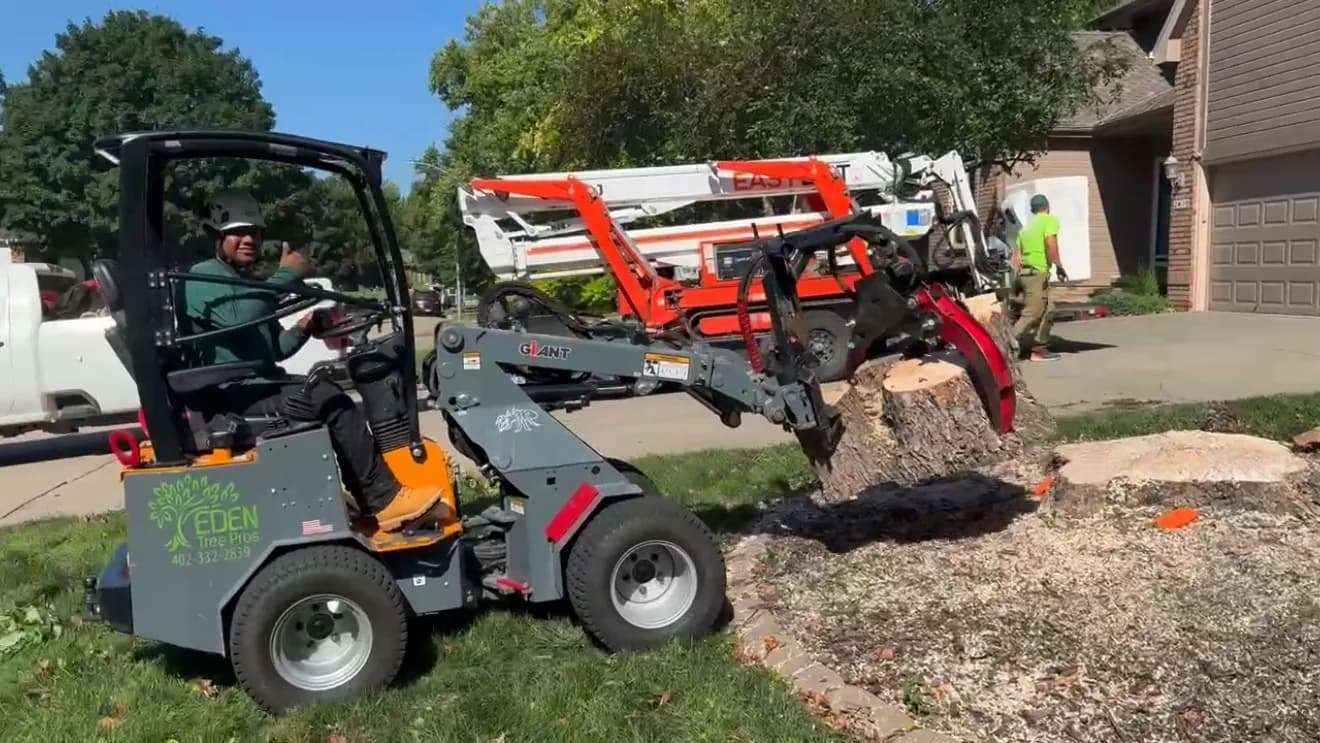
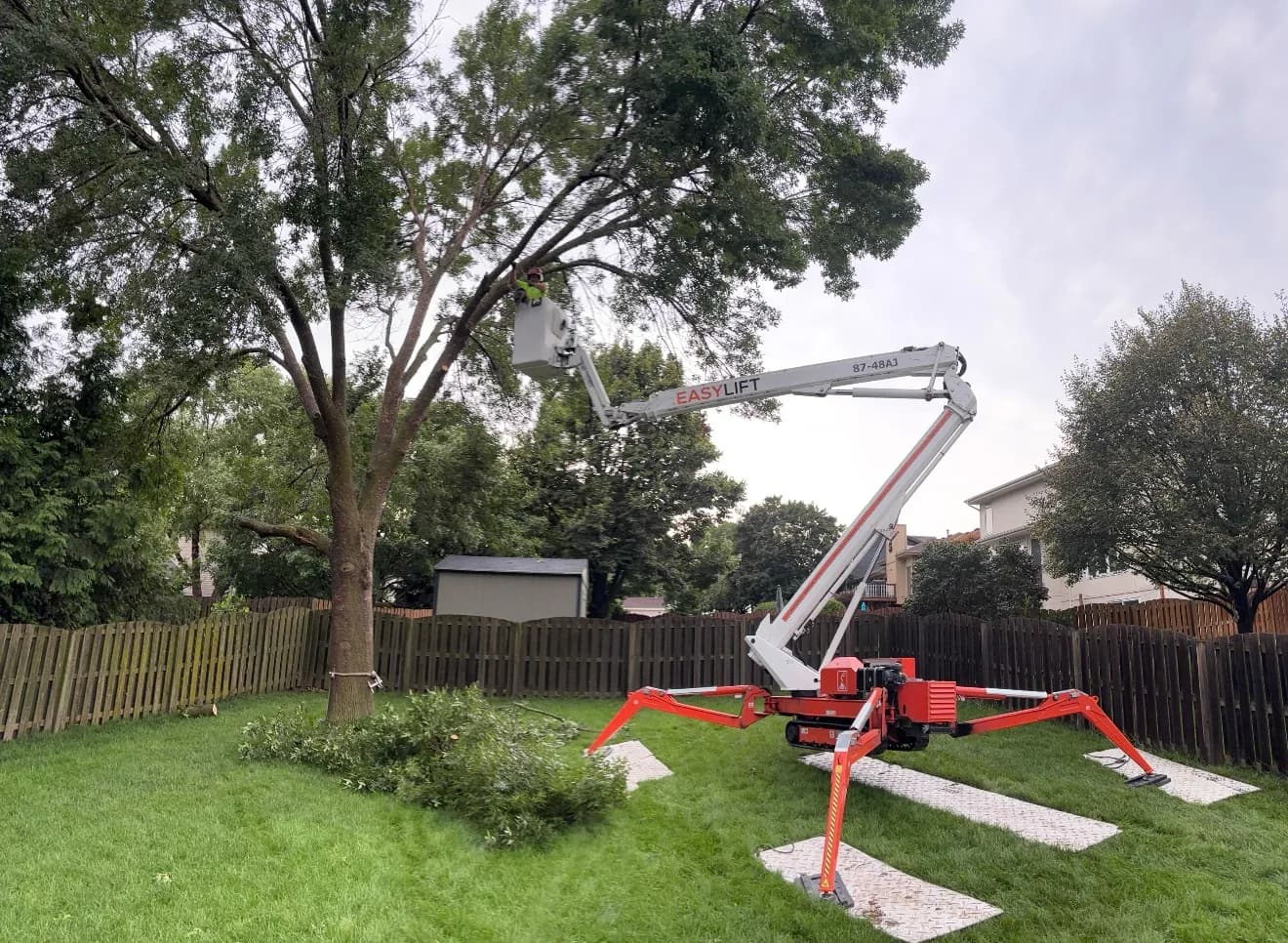
Every tree decision in Valley is a wind decision. What species to plant, whether a crotch needs a cable, how much crown a pruning should remove, whether the old cottonwood by the lake gets one more year — the answer changes when the tree stands on flat, open ground near two river valleys with nothing upwind to protect it. Work that would be routine in a sheltered Omaha neighborhood needs more conservative judgment here, and we apply it.
The windbreaks deserve particular honesty. Many of Valley's spruce and cedar rows were planted as single-species stands, and single-species stands fail together — needle cast or bagworms arrive and the whole row goes at once. The fix is not heroic spraying of trees that are already done; it is treating the saveable ones and interplanting the row with a mix, in phases, so the protection never lapses. That is slower and less dramatic than what some companies will sell you, and it works.
Valley is the far end of our route, thirty minutes from the shop, and we schedule it honestly — grouped with Waterloo, planned in advance. What the distance does not change: free estimates, written prices, arborists, and same-day response when the wind wins one.