How do I know if my tree needs a crane?
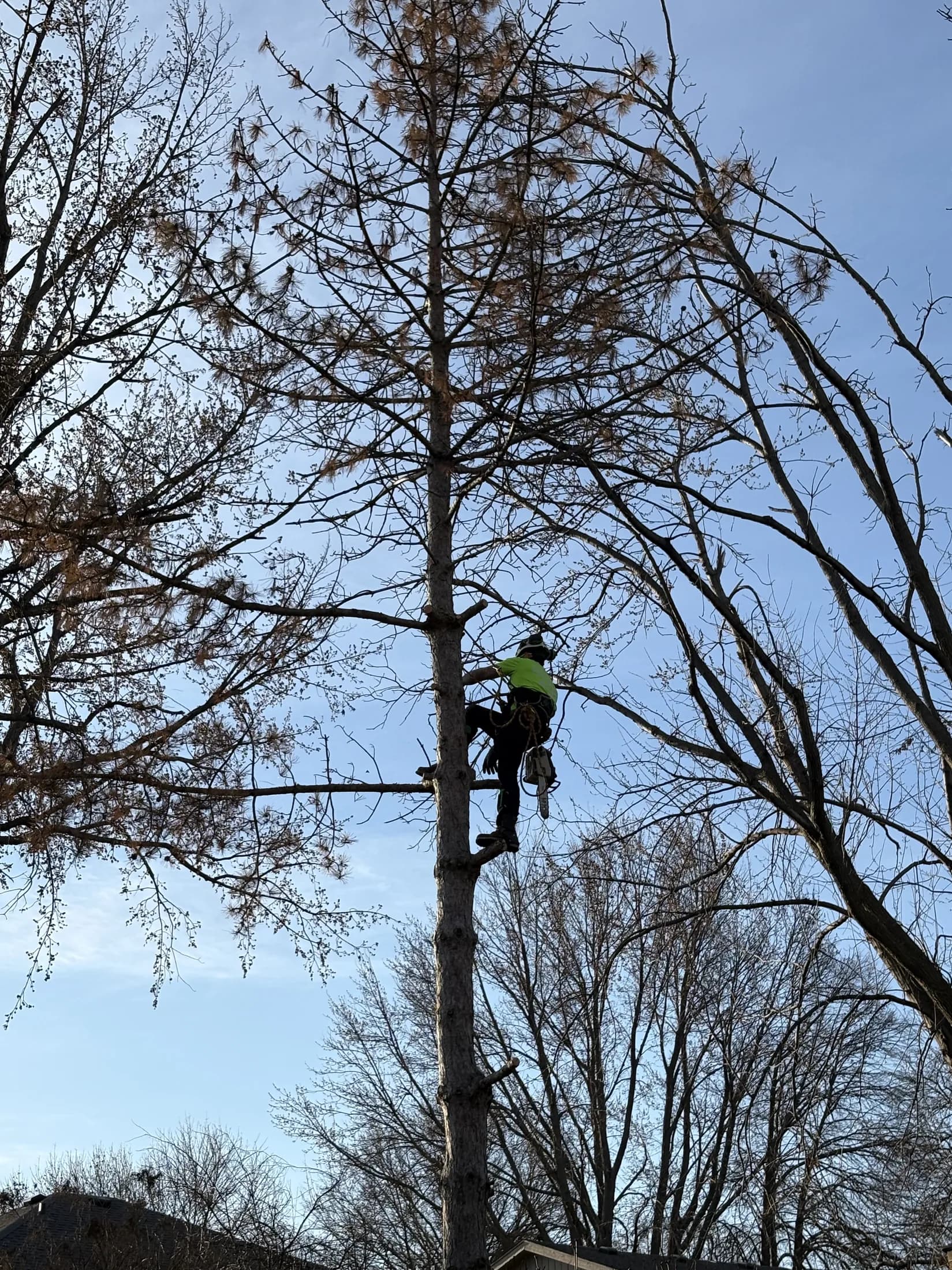
You usually do not, and guessing buys the wrong estimate. The honest tells: the tree is dead enough that climbing it is a risk, the only drop zone is a structure, or nothing with wheels can reach it. An arborist makes that call on the free estimate, and a fair number of crane inquiries go home with a cheaper rope-rig quote.
What does a crane removal cost?
Toward the top of our published large-removal range of $4,000 to $8,000, driven by pick count, setup distance and what the crane must reach over. The estimate is free, in writing, and includes the crane — one contract, not a machine billed separately by a stranger.
Will the crane damage my driveway or the street?
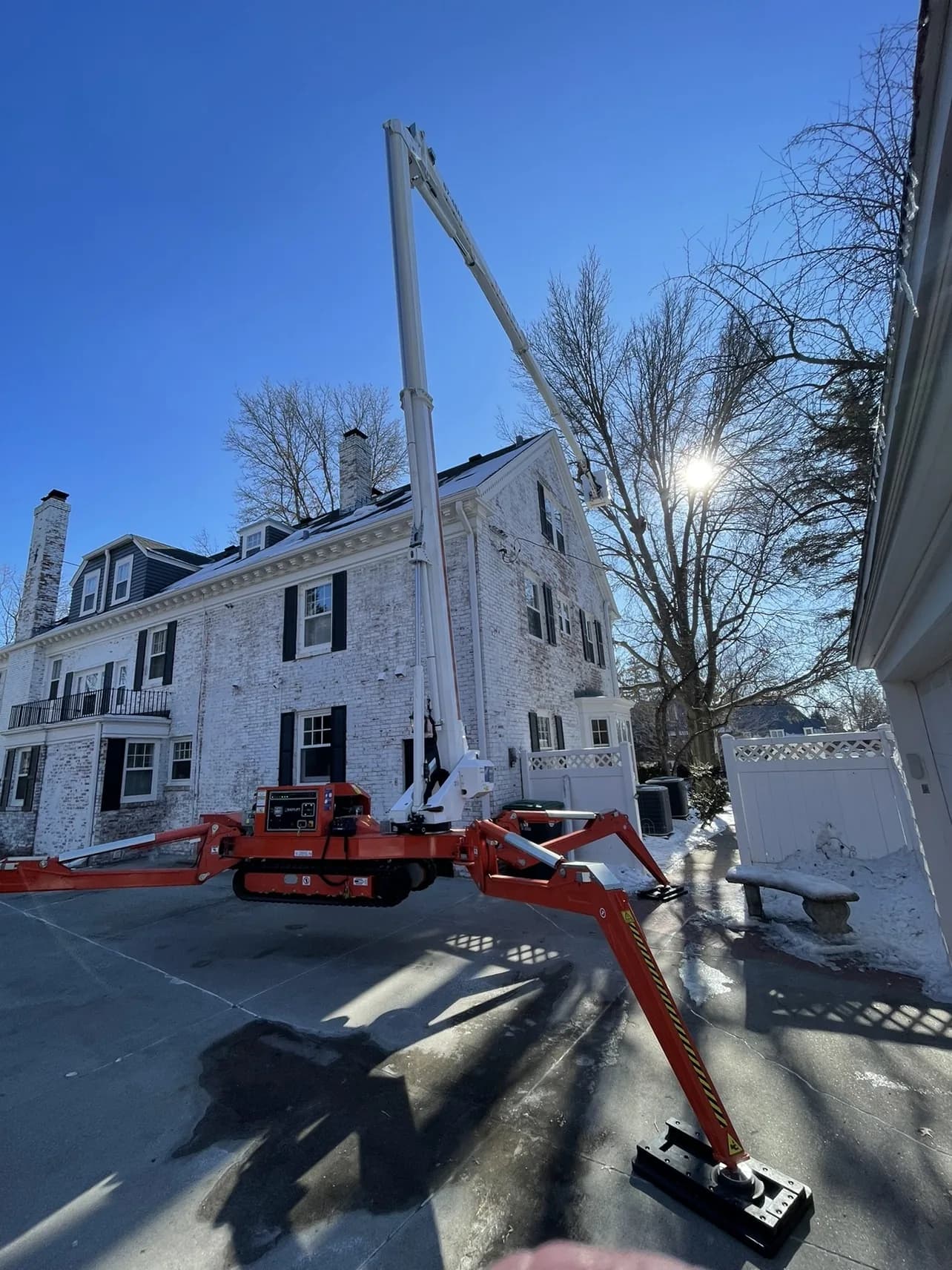
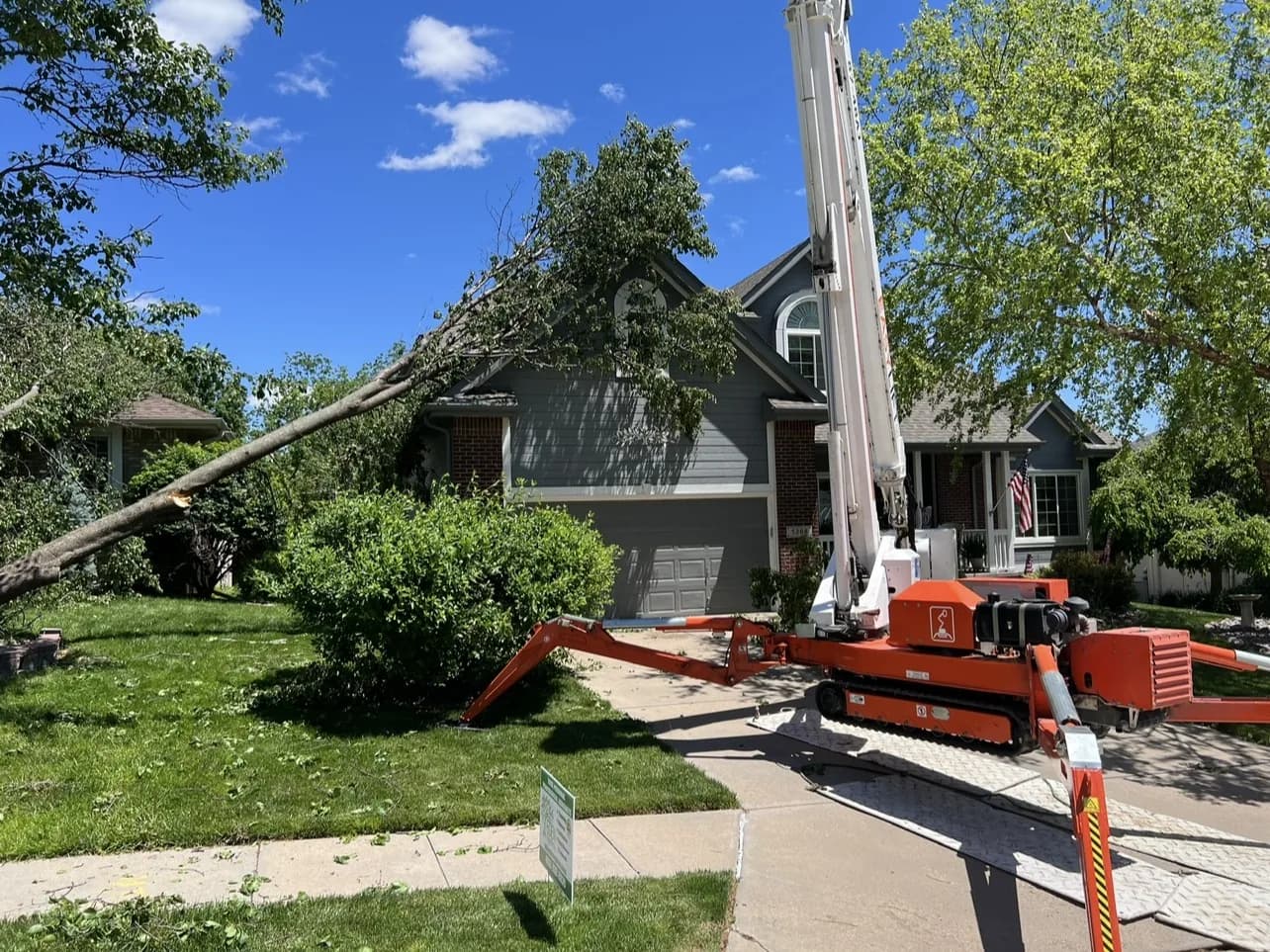
The outriggers spread their load on engineered pads, and placement is planned on the estimate visit. Sound concrete handles it. A drive that is already failing gets photographed and talked about honestly before setup, not discovered afterward.
Does the crane block the street?
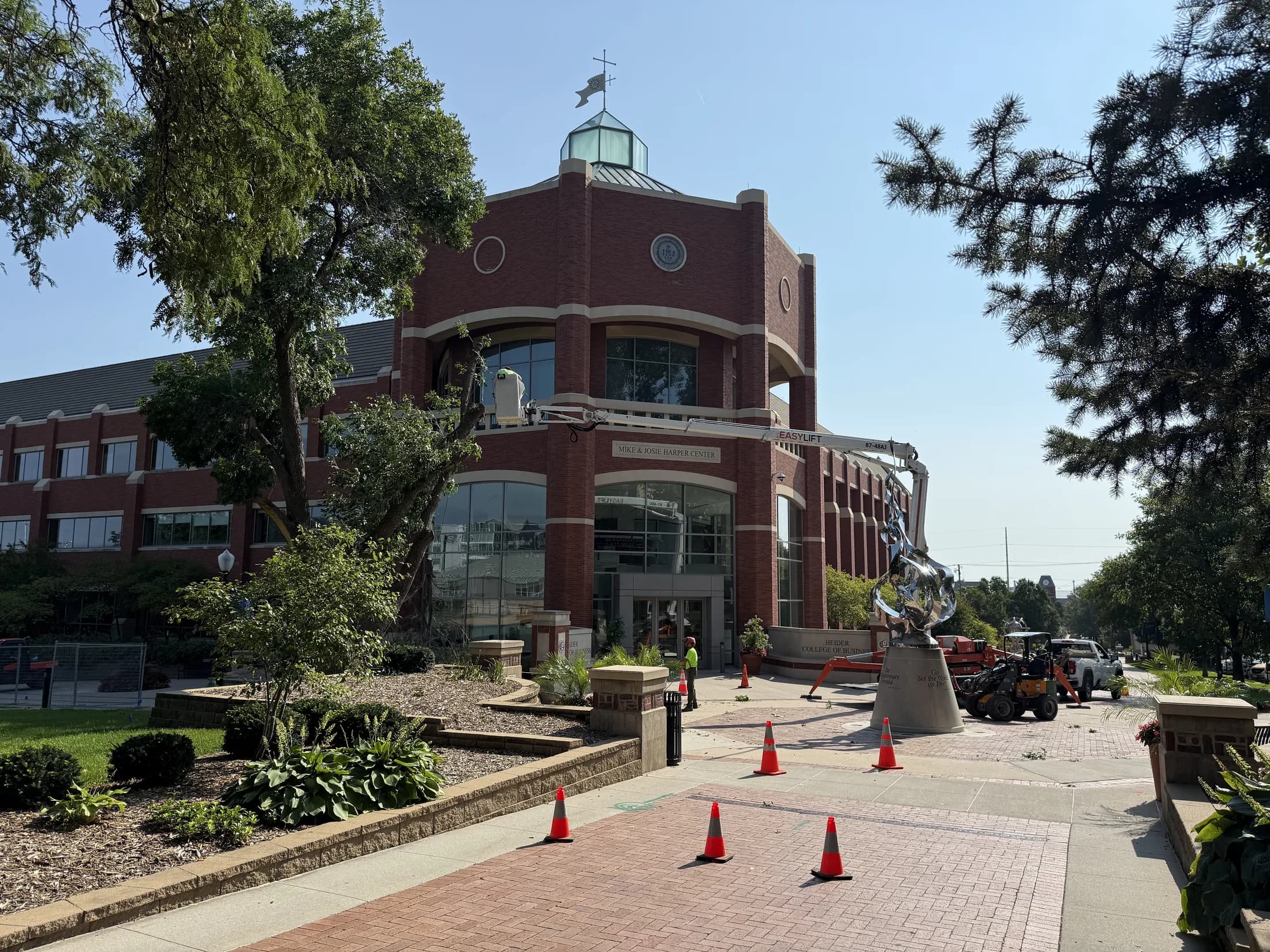
Often, for the working day, and the neighbors get told before the morning it happens. Where the city requires a closure permit we handle the process and the fee passes through at cost.
Is it safer than climbing?
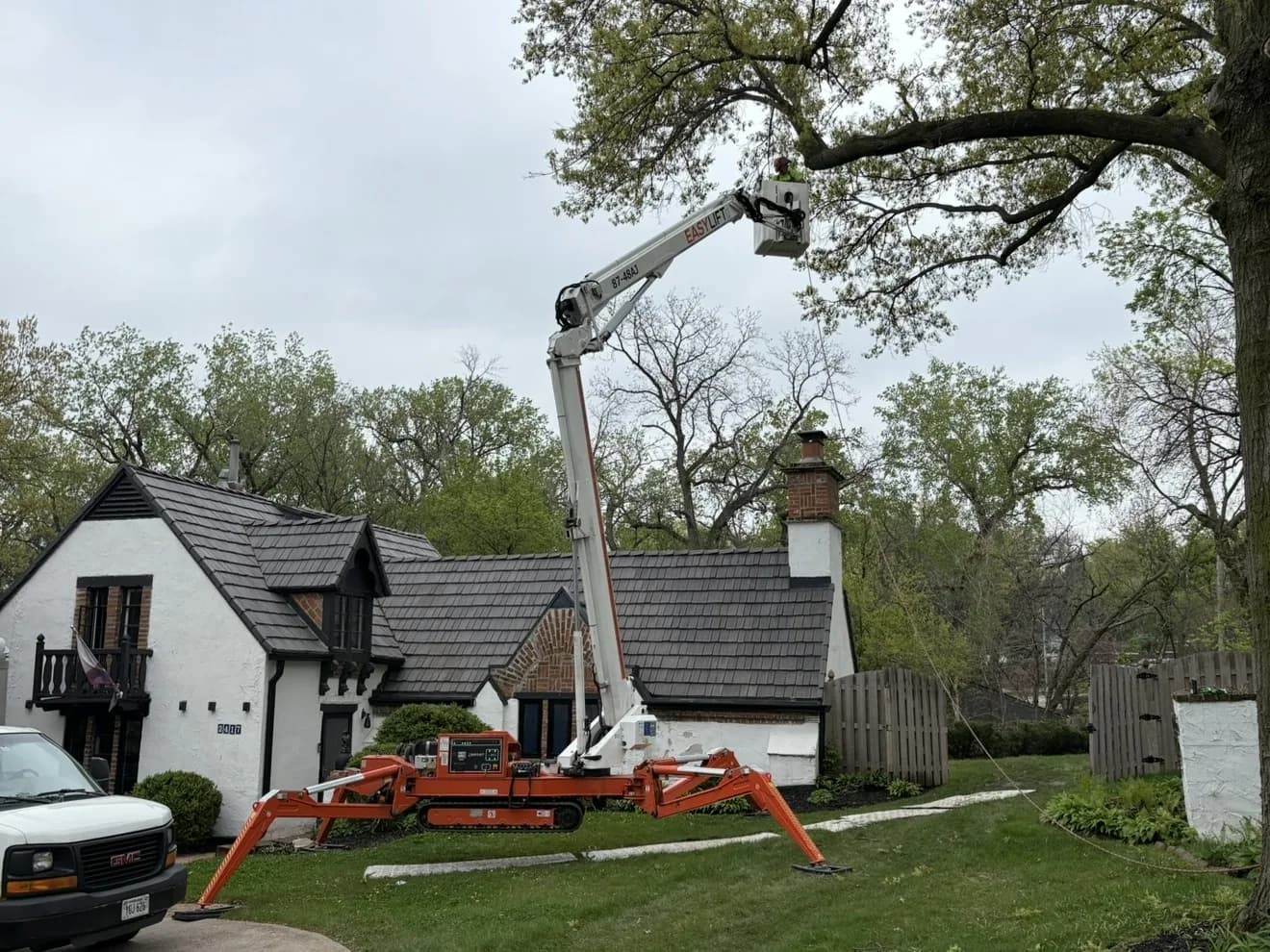
For the trees that justify it, categorically. The climber never loads dead wood, nothing swings over the roof, and every piece is held by the crane before it comes free. That is the entire argument for the machine.
How long does it take?
Most residential crane removals are a single day, including cleanup. The same tree rope-rigged over a house can run two or three. The crane day starts early — the setup is the slow part.
Can the crane work in my backyard?
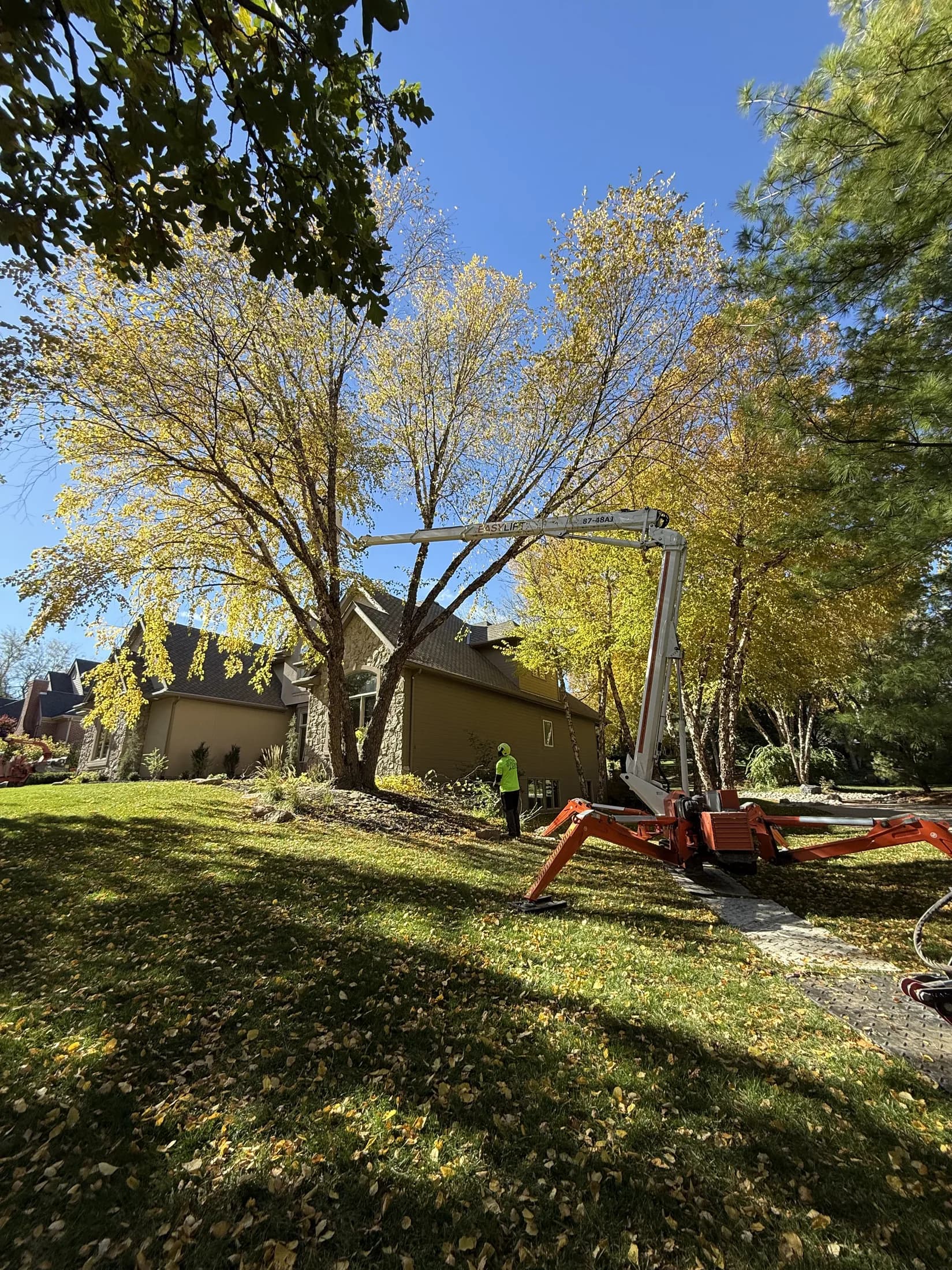
It usually does not have to — that is the point. A crane parked in the street reaches over the house into yards nothing else can touch. Reach has limits, which is why setup position gets planned on the estimate, not improvised.