The fast growers
Cottonwoods and silver maples
The two species Omaha planted for shade in a hurry, and the two that outgrow every yard they were given. Sixty feet and up, wood heavier and weaker than it looks, a canopy reaching three properties.
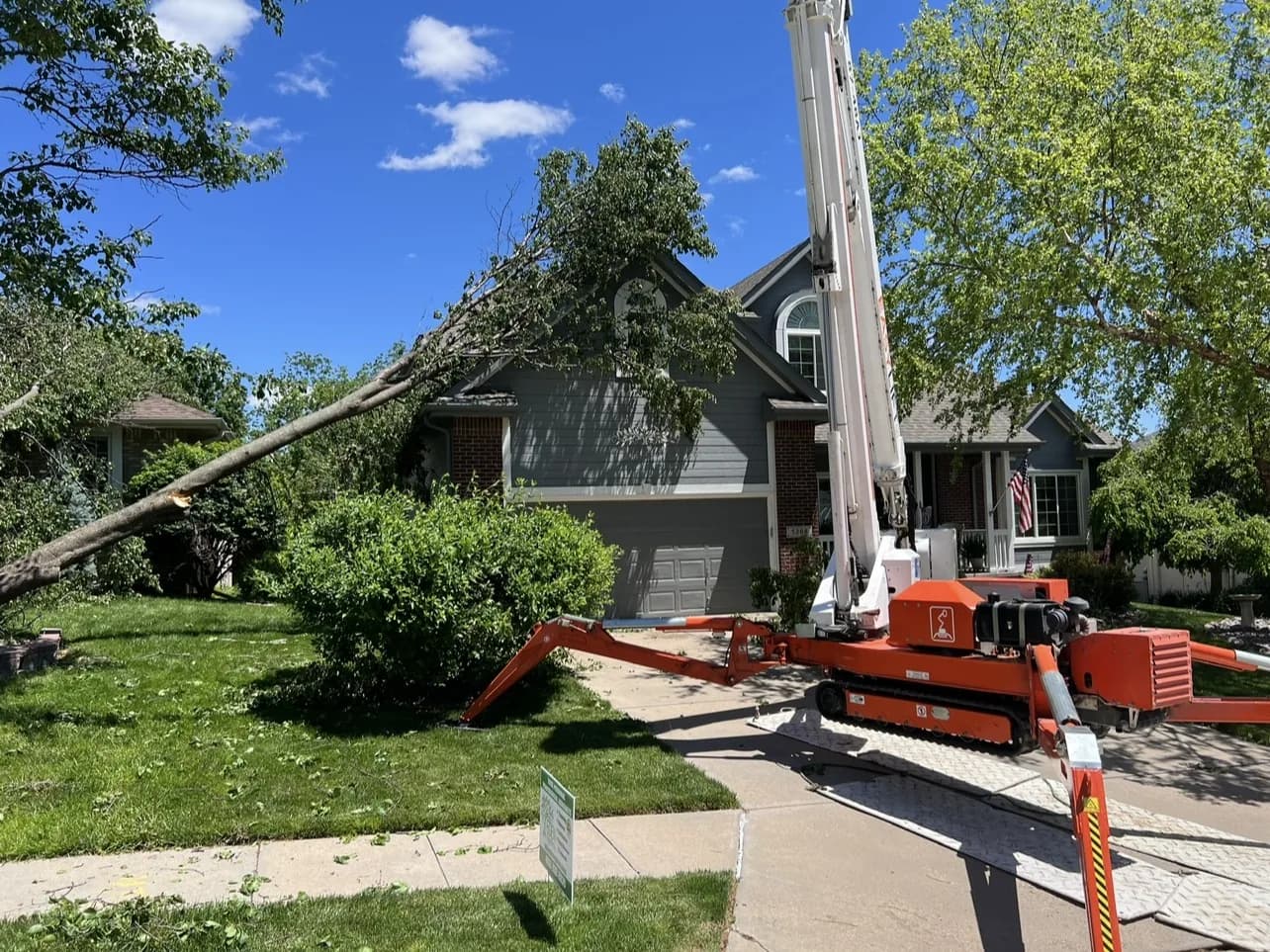
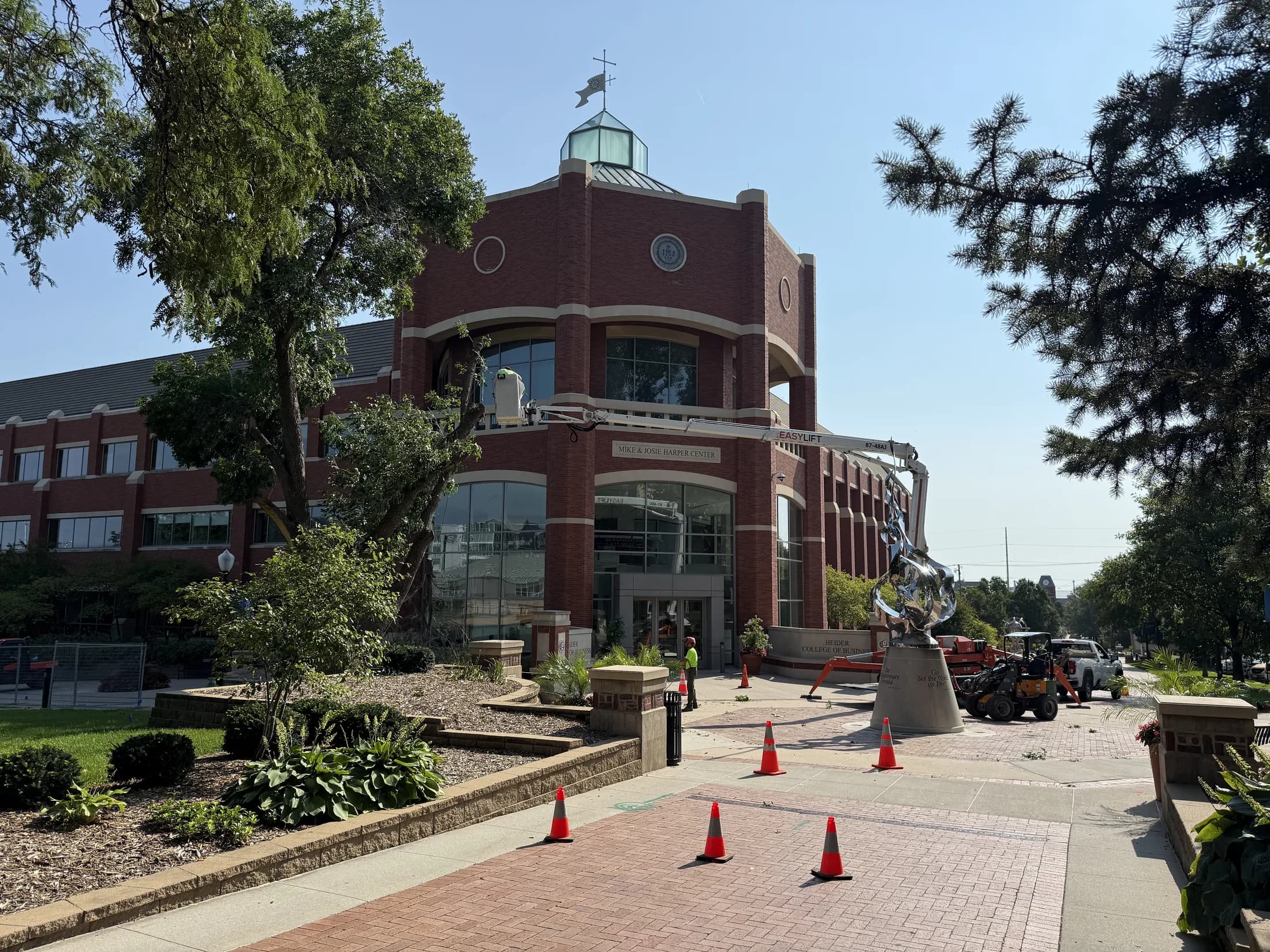
A tree that has stood sixty years next to a house does not come down the way a small one does. It comes apart — piece by piece, rigged, lowered and landed on purpose. Big-tree removal is a different trade from small-tree removal, and hiring it like the same trade is how garages get hit.
The fast growers
The two species Omaha planted for shade in a hurry, and the two that outgrow every yard they were given. Sixty feet and up, wood heavier and weaker than it looks, a canopy reaching three properties.
The slow ones
An oak is usually worth saving, and we will say so on the estimate. But when decay, construction damage or lightning ends the argument, the removal is the heaviest work we do — oak outweighs almost everything else on the block.
The compromised
A crack in a main union, a lean that changed after a storm, mushrooms at the root flare. A large tree that has started to fail moves the job from scheduled to soon — the margin for waiting is gone.
Not sure whether yours counts as large? The estimate is free either way, and the small answer is cheaper.
Top down
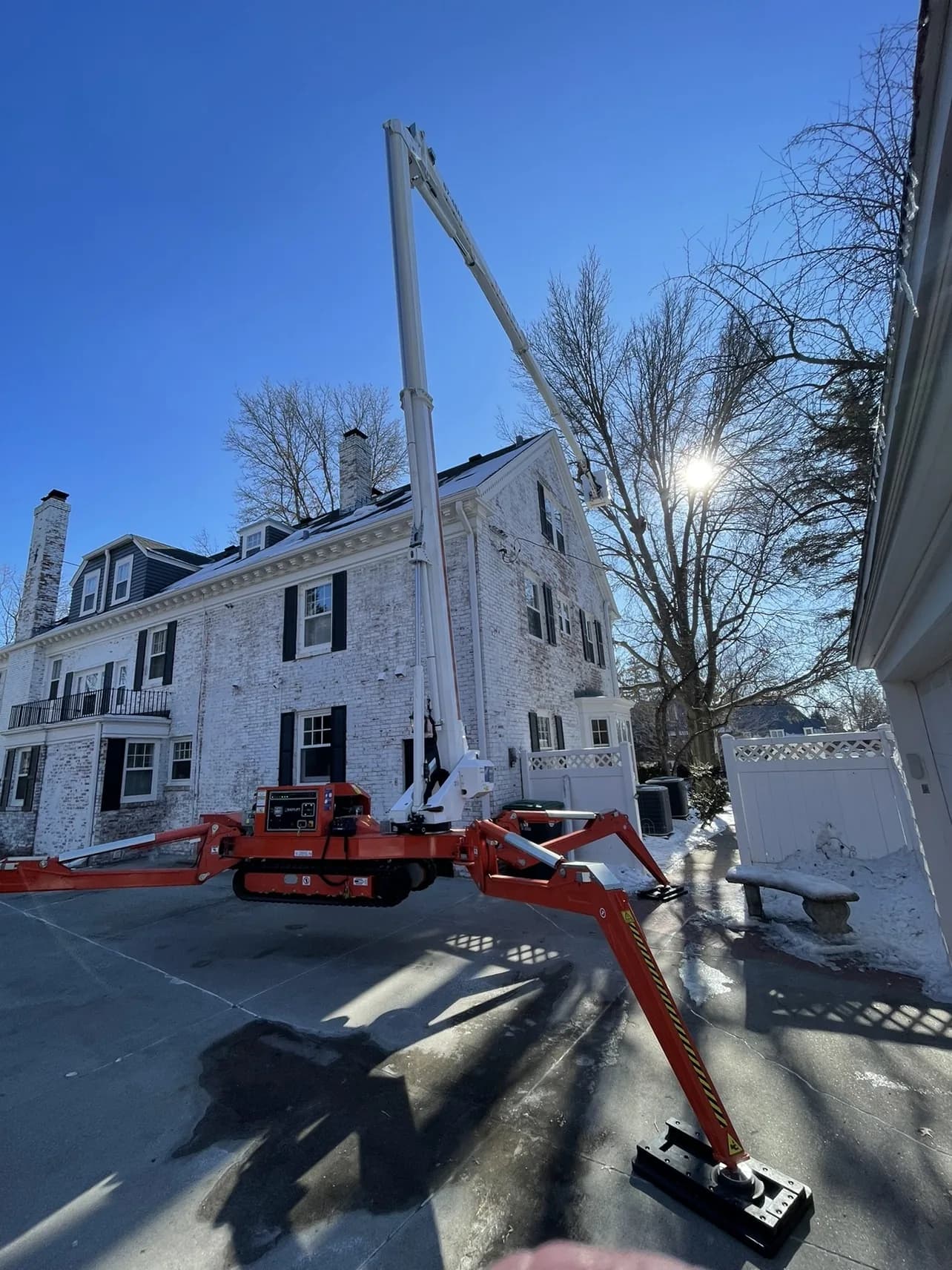
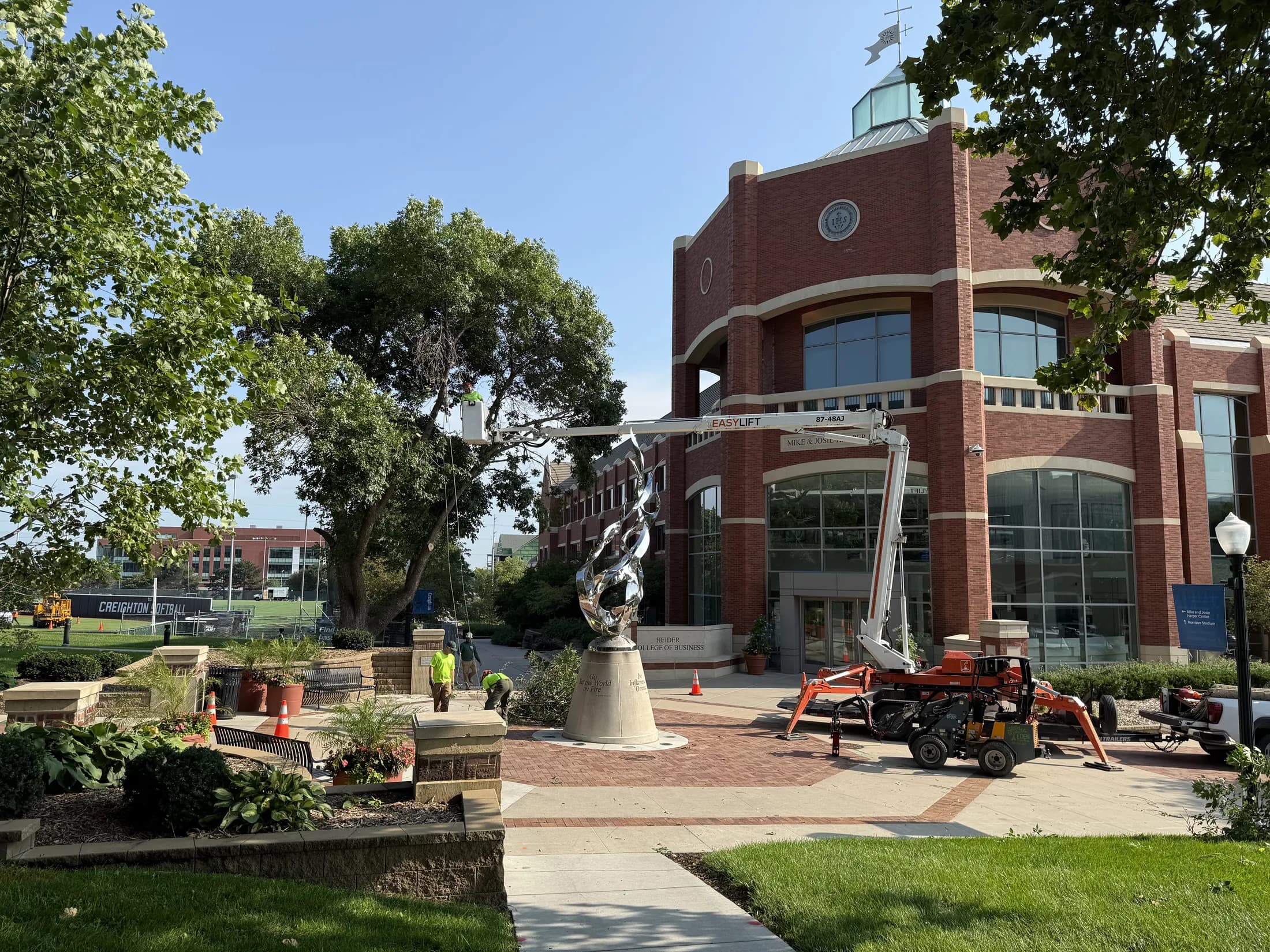
The drop zones are chosen before the saw starts
Where every piece will land, what gets matted, where the ropes anchor. This planning takes longer than people expect and saves more than they know.
The canopy comes off first
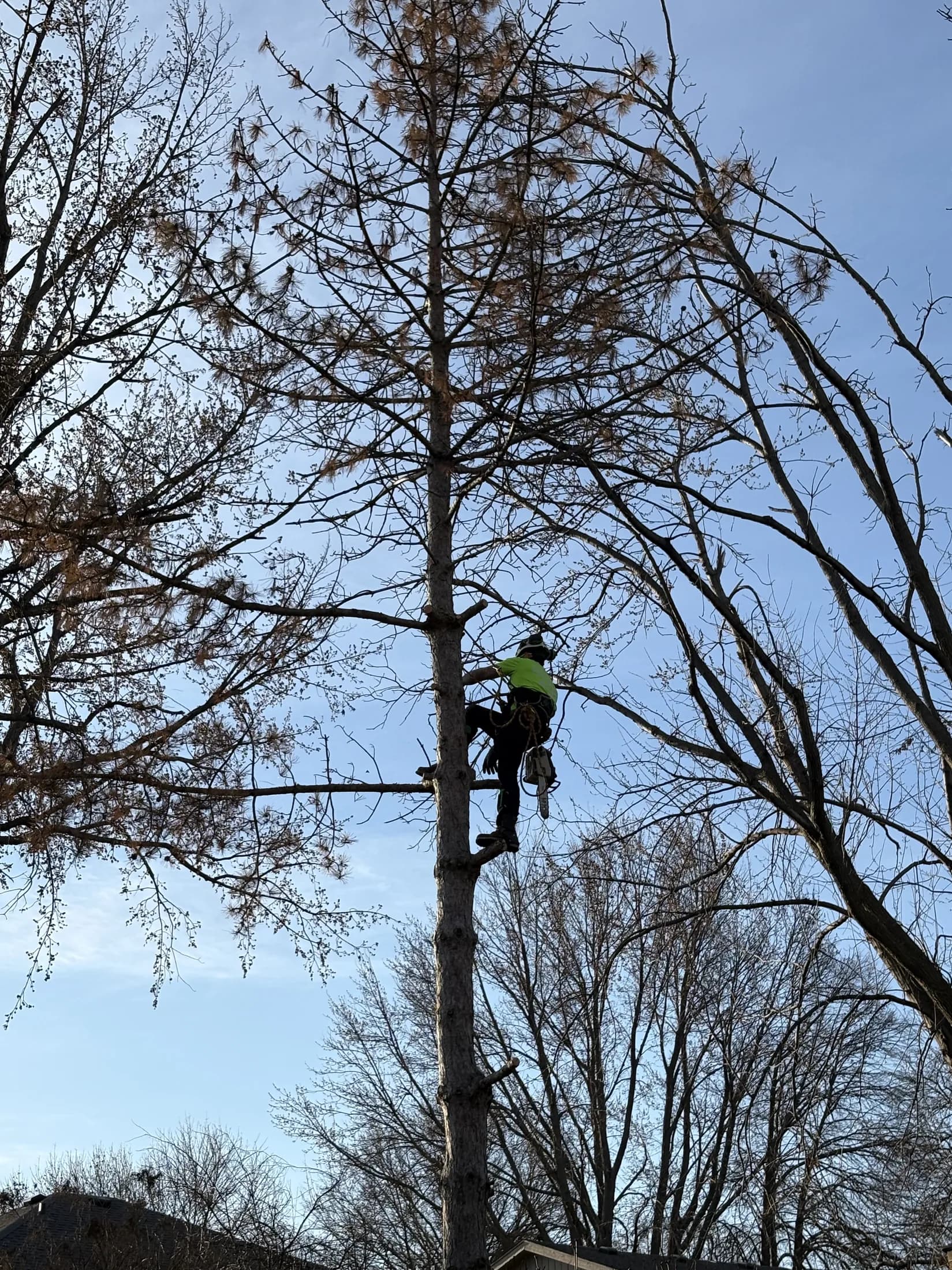
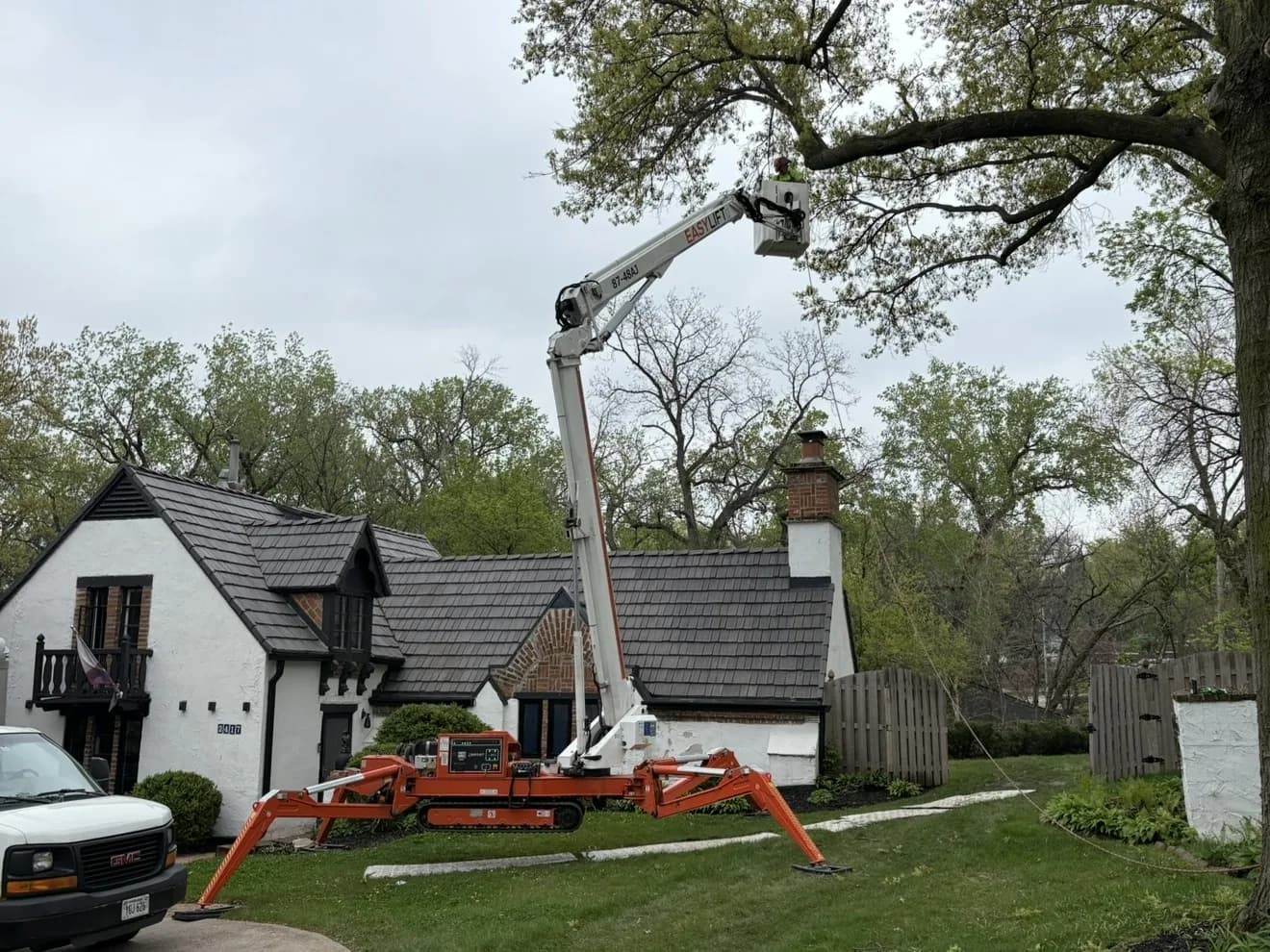
Limbs are cut to lengths the rigging can hold, tied off before the cut, and lowered under control. Nothing free-falls near a structure.
The trunk comes down in rounds
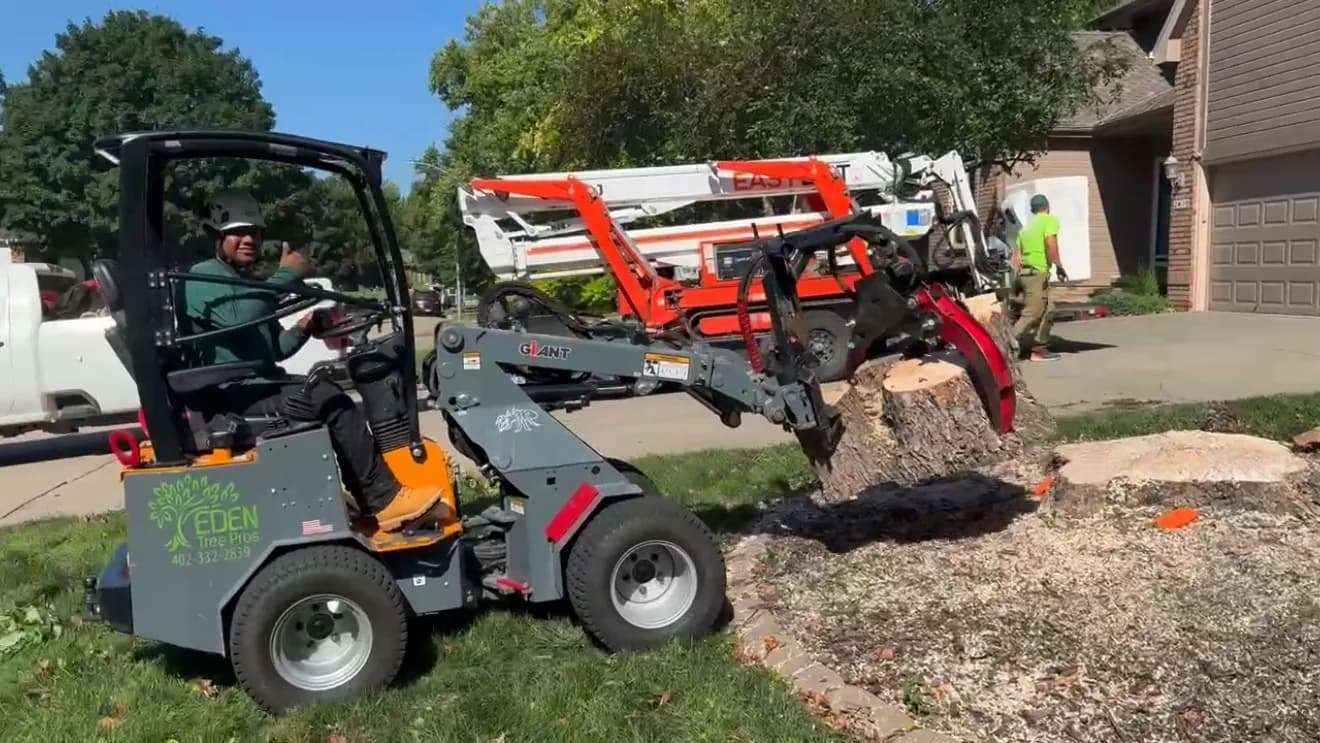
Once the tree is a bare spar, the climber blocks it down — sections small enough for the ropes and the ground crew to manage.
The ground crew keeps pace
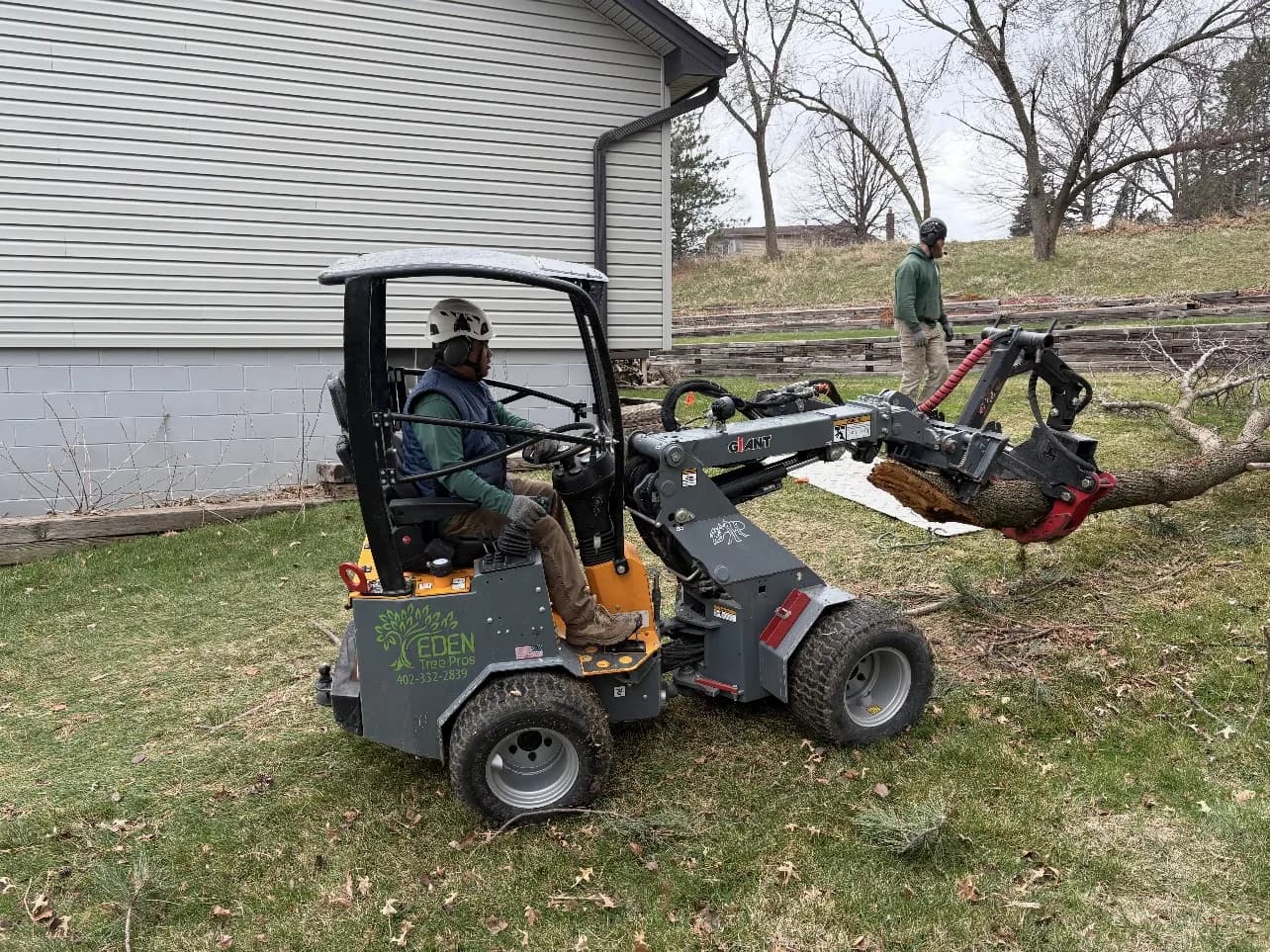
Wood moves to the chipper and the truck as it lands. A clear drop zone is a safety system, not tidiness.
Big removals are measured in days, not hours
A sixty-foot tree over a house can take a day or two with cleanup. The schedule comes with the estimate, because the noise and the trucks are part of what you are agreeing to.
Smaller, younger trees
$1,000 – $3,000
Modest height, room to work, pieces light enough to swing. If yours is this job, we will price it as this job.
Large, older trees
$4,000 – $8,000
Sixty feet and up, over structures, dismantled and rigged. The spread inside the range is mostly access and targets — the same cottonwood costs more with a pool under it.
Letting a failing one choose its moment
The range, plus the repairs
A compromised tree does not get cheaper to remove, and when it fails it takes the removal bill with it into an insurance claim.
Both ranges are published on our pricing page. Large removals are always quoted in person, because the price lives in details a photo cannot show — access, targets, wood condition.
An arborist planning the dismantle and the drop zones
Rigging and controlled lowering for every piece near a structure
Mats over turf and protection for hardscape in the work zone
The trunk taken down to a low stump
Brush chipped and wood hauled, unless you keep firewood
The site raked and blown before the last truck leaves
Stump grinding — quoted alongside the removal if you want it, as its own line
Crane work, when the tree needs it — a bigger conversation with its own page
Moving the utility service drop, which the utility handles, not us
Fixing what the tree already broke — a heaved sidewalk stays a concrete contractor's job
The scope is on paper before the job is scheduled. No number changes on the day.
“The removal of a 27-year-old, 60-foot river birch. DJ was very knowledgeable and helped me decide if the tree was worth saving.”
Our published range for large, older trees is $4,000 to $8,000. Where a tree lands inside that depends on height, weight, access and what sits underneath — a wide-open backyard tree prices lower than the same tree over a house.
Because it is a different job, not a bigger version of the same one. A small tree is cut and dropped; a large tree near structures is dismantled in the air, every piece rigged and lowered. That takes climbers, rigging and days of crew time instead of hours.
Sometimes no, and we would rather say so than sell the removal. Plenty of big trees that scare their owners are sound; pruning or cabling buys them decades. The arborist makes that call at the tree, and the keep-it answer is always the cheaper quote.
Usually one to two full days including cleanup, and we tell you which before you book. Big removals are loud and fill the street with trucks and chips, so the schedule is part of the agreement.
That is what the rigging is for — pieces are lowered to chosen drop zones, not dropped across the lawn. We mat the turf and keep machines on pavement where we can. A big removal leaves evidence for a few weeks; it should not leave damage.
A sixty-foot canopy rarely respects a lot line. Where limbs overhang a neighbor's property we talk to them before the work day, protect their side the same as yours, and clean up both.
Yes. Plenty of people keep oak or maple rounds for firewood, and leaving the wood cut to length takes hauling off the invoice. Say so on the estimate.
Free and no pressure
Every estimate is free and comes in writing before anything is booked.
When even sectional dismantling is not the honest method.
Why dead wood rewrites the plan and the price.
The pruning answer, when the tree is sound and just too big.
A written verdict on whether removal is warranted at all.
The stump the removal leaves, ground below grade.
The companies that get in trouble on large trees are usually good at small ones. The saws are the same, but a sixty-foot cottonwood holds several times the weight, over targets, with failure modes a twenty-footer never shows. Rigging, load estimates, drop-zone discipline — none of it is optional at that scale, and all of it is invisible on a cheap quote until it is not.
We have been taking down the metro's biggest trees since 1997, and the honest lesson of those years is that the dismantle is planned or it is gambled. Every large removal here is run by an arborist who decides the order of cuts and the landing of every piece before the first rope goes up. That planning is most of what the price buys, and it is the line the low bid deletes.
The other thing the years taught us: a fair number of big trees people want removed should stay. A mature oak or maple in sound condition adds real value to a property, and fear of its size is not a structural defect. When the arborist thinks pruning or cabling is the better answer, you get that quote instead — smaller, and in writing.